
COLLECTION SYSTEMS RESOURCES
-

Managing changing solids loading, unpredictable debris, and increasingly variable water sources can make the selection between conventional basket strainers and automatic scraper strainers increasingly significant.
-

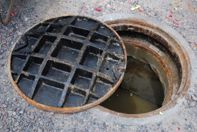
Discover how the City of Richmond used real-time data, hydraulic modeling, and decision intelligence to better understand and optimize its combined sewer system.
-

Pelican Park replaced its aging 3,000 GPD wastewater system with a new ENVIRO-AIRE plant, providing reliable treatment for more than one million annual visitors.
-

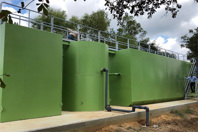
Lauloa Maalaea Resort needed upgraded wastewater treatment within an existing footprint. A new 21,000 GPD ENVIRO-AIRE system met stricter effluent requirements with minimal visual impact.
-

Sana Lake Recovery Center replaced an undersized, unpermitted lagoon with a 20,000 GPD ECOPOD system designed to meet Missouri wastewater requirements and support expansion.
-

A Joshua Tree glamping facility needed minimal-impact wastewater treatment. A 5,500 GPD ECOPOD system provides robust treatment while meeting stringent nitrogen requirements.
-

Boulder Canyon Group Home overcame challenging terrain, limited access, and right-of-way restrictions with an innovative wastewater system designed for reliable, efficient treatment.
-

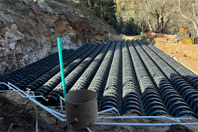
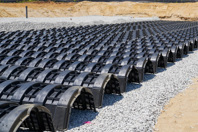
Kingston, MA, expanded wastewater capacity with a 700,000 GPD subsurface recharge system designed to reduce nitrogen impacts while supporting future growth and preserving open space.
-

See how a 30,000 GPD ENVIRO-AIRE™ wastewater treatment plant helped a Texas campground expand operations with reliable, efficient, low-maintenance treatment.
-

Infiltration and inflow create severe financial burdens for collection systems. Deploying high-density radar level sensors isolates specific point-source defects across sub-basins, streamlining downstream inspections and maximizing the impact of capital repair budgets.


WASTEWATER COLLECTION SYSTEMS VIDEOS
This presentation explores the tradeoffs between passing solids and macerating them, highlighting where each approach provides advantages and how emerging pump, cutter, and impeller technologies are reshaping solids handling strategies.