- 1
- 2
- 3
- 4
Using Software To Replicate The Steps And Logic Engineers Use To Design Water Infrastructure
- 1
- 2
- 3
- 4
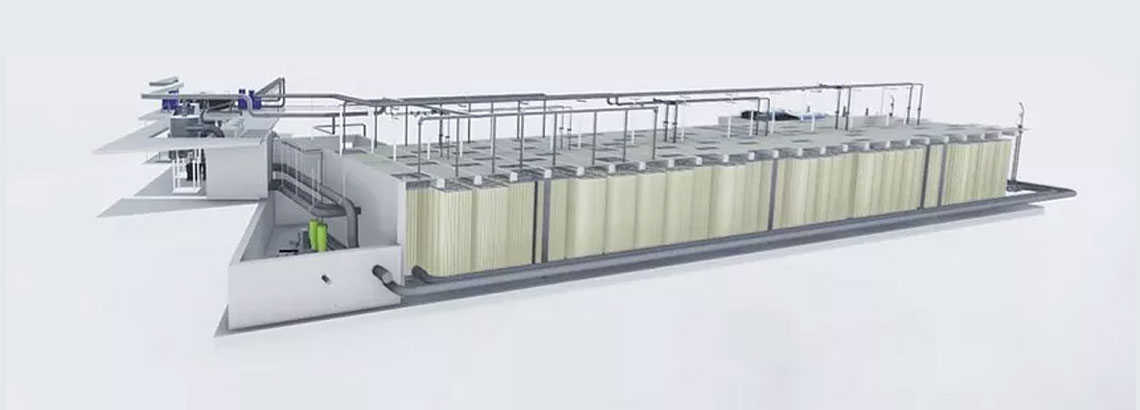
Can Artificial Intelligence Beat A Design Engineer?
- 1
- 2
- 3
- 4
A Deeper Look At Automated Treatment Plant Design

- 1
- 2
- 3
- 4
Automation Is Taking Over The World: Water Is Next
ABOUT TRANSCEND
Transcend helps equipment suppliers and engineers streamline their proposal and preliminary design processes to win more projects, increase margins, and keep overhead costs low.
Transcend uses a cloud based platform, the Transcend Design Generator (TDG), to automate engineering grade designs and documents and deliver high quality proposals in a fraction of the time and cost.
TDG has been used to design over 7,000 WWTP's and their associated equipment - including Activated Sludge, MBR, MBBR, and MBBR-IFAS.
To learn more, visit www.transcendh2o.com

FEATURED SOLUTION
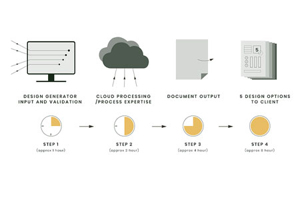
Transcend Design Generator (“TDG”) is a web-based, water treatment design engineering platform that enables users to rapidly generate preliminary engineering designs & proposals for CAS facilities as well as MBR, MBBR, and others.
VIDEOS AND PODCASTS
-

Adam Tank explains how Transcend is "making waves" in the water industry with their design automation technology.
-

Over the past decade, water treatment consulting jobs have become much harder. The reasons are complex. As explained in the video below, the challenges fall into 3 buckets: Aging workforce and difficulty in transferring/retaining knowledge; More demanding clients in an 'instant' economy; Increased workloads - often at cost or non-cost recoverable.
-

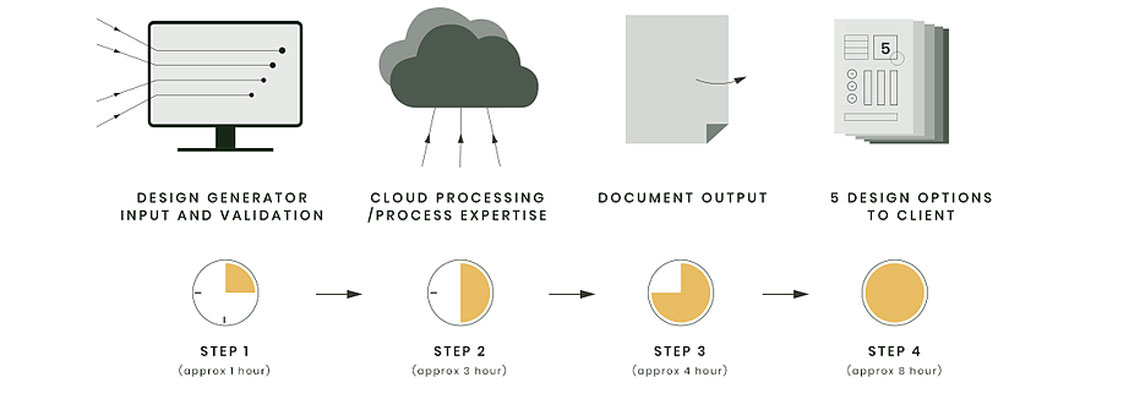
The new user interface for the Transcend Design Generator we’ve developed now allows non-experts to map their site and enter basic information. The software can make complex decisions that result in a complete project design engineering package.
-

Learn how Artificial Intelligence can create a complete Process Scheme for your custom wastewater treatment plant project by using Transcend Design Generator.
-

Take an in-depth look at Transcend Design Generator's P&ID process for a CAS (conventional activated sludge) wastewater treatment plant.
-

See this demo video about the output documents included in the Transcend Design Generator.
-

See what input parameters are required to create a custom wastewater treatment plant design with the Transcend Design Generator.
-

See our demo video about how you can start your own custom wastewater treatment plant design by Transcend Design Generator.
-

Transcend Design Generator Data Flow overview by Ari Raivetz, CEO of Transcend.
-

Early in his career, Ari Raivetz, Founder and CEO of Transcend, worked on Wall Street financing fracking operations. He saw the impact of those operations on one of our most precious resources, water. Today he’s building tech solutions for engineering firms, utilities, and technology suppliers and designing critical infrastructure, starting with the wastewater industry. In this episode, Dawn Lippert, Elemental’s CEO, and Kim Baker, Elemental’s Director of Water Innovation, talk with Ari about his journey to climate tech.
-

Ari Raivetz is Chairman and CEO of Transcend, an incredibly innovative company that provides software to automate any vertical asset's preliminary engineering.


CONTACT INFORMATION
Transcend
61 Princeton Hightstown Rd
Princeton, NJ 08550
UNITED STATES
Phone: (609) 572-5169
Contact: Adam Tank
FEATURED ARTICLES
-

As Dutch utilities invest billions in wastewater infrastructure, generative design enables faster evaluation of treatment alternatives while meeting future regulatory demands.
-

What's really at stake when choosing between surface water and groundwater? The answer shapes water security for decades.
-

What if your plant's biggest cost driver was locked in at the design stage? See how early energy optimization reshapes whole-life financial outcomes.
-

What does it actually cost to build climate resilience into a water treatment plant? The answer depends on the right analytical framework.
-

What does it take to stay ahead of tightening drinking water standards? See how utilities are turning regulatory pressure into smarter infrastructure investment.
-

Single-future design assumptions are no longer sufficient. See what scenario modelling reveals about building treatment infrastructure that performs across decades of uncertainty.
-

Single-future design assumptions are no longer sufficient. See what scenario modelling reveals about building treatment infrastructure that performs across decades of uncertainty.
-

Learn how digital standardisation eliminates repetitive engineering rederivation, improves design consistency, and builds lasting institutional knowledge in water treatment.
-

What if most water infrastructure cost overruns were preventable at the design stage? See how rigorous early-stage analysis changes project outcomes.
-

Coagulation and flocculation remain essential but increasingly sensitive processes, requiring flexible design and real-time optimisation to maintain performance across widening source water variability.
-

Rising turbidity from climate and land use changes is exceeding plant design limits, requiring flexible, high-capacity treatment systems and scenario-based planning to maintain performance and compliance.
-
 In Surface Water Treatment Plants")
The Toledo water crisis exposed treatment gaps, highlighting harmful algal blooms as a core design challenge requiring flexible, multi-barrier systems and scenario-based planning.
-

Climate change is expanding source water variability beyond historical limits, forcing treatment plants to design for wider conditions—and making digital planning essential for resilient infrastructure decisions.
-

Surface water supplies most urban drinking water, but rising variability and contamination are straining ageing infrastructure—making digital planning tools essential for resilient, future-ready treatment systems.
-

Digital design is a strategic infrastructure investment: it compounds value across capital programmes, improving decision quality, cost accuracy, and operational performance over decades. Deferral carries real opportunity cost.
-

Generative design improves infrastructure project IRR by accelerating pre-construction timelines, reducing design costs, enhancing CAPEX precision, and optimising OPEX, compounding financial benefits over the asset’s full lifecycle.
-

For CFOs, digital design investment delivers measurable ROI: lower design costs, higher asset quality, reduced risk, and talent efficiency, all quantified across the full capital programme lifecycle.
-

Generative design transforms water infrastructure projects, cutting conceptual design costs by up to 80%, accelerating timelines, and improving early-stage decisions with measurable, compounding financial benefits.
-

Augmented design engineering uses AI and generative tools to boost productivity, enabling teams to deliver more projects with greater consistency despite growing demand and limited talent.
-

Generative design enables water organizations to preserve critical engineering expertise by encoding knowledge into systems, improving consistency, scalability, and resilience amid workforce transitions.