|
|
|
|
The efficiency of UV AOP systems can be significantly affected by changing water characteristics such as UV transmittance, pH, alkalinity, and nitrate levels. To ensure compliant contaminant removal while managing operating expenses, control programs must dynamically adjust UV intensity and oxidant concentration. This application note will explore how active control programs lower operational costs.
|
|
|
|
|
UV AOP performance verification requires a robust test matrix covering design, operating, and control conditions. This process includes on-site execution, sample analysis, and troubleshooting to achieve successful regulatory approval. Read the full article to learn more about the detailed steps for ensuring compliance and optimizing UV AOP performance.
|
|
|
|
|
AOPs utilizing UV light effectively treat trace environmental contaminants like 1,4-dioxane and NDMA. This process breaks down chemicals, eliminating hazardous residuals without forming by-products like THMs. Learn more about the technology and its ability to break down contaminants effectively.
|
|
|
|
|
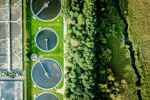
In this case study, read about a full-scale advanced treatment system that takes filtered secondary effluent from the neighboring OCSD treatment plant and converts it to water that exceeds all drinking water quality standards. The system creates extremely high quality water from wastewater that would otherwise be lost to the ocean.
|
|
|
|
|
|
|
|
|
|
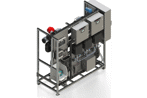
TrojanUVFlexAOP
|
The UV AOP can help municipalities relying on lower quality water sources to continue producing high-quality drinking water for their communities. UV AOP does this by breaking down environmental contaminants 1,4-dioxane, NDMA, MIB and Geosmin, while simultaneously treating microorganisms Cryptosporidium and Giardia.
|
|
• Request Information
|
|
|
|
|
|
|
|