|
|
|
|
As regulations tighten and staffing becomes more limited, treatment plants are increasingly finding that reliable water sanitation requires an integrated system. Chemical metering pumps are central to the sanitation process and when they work in conjunction with complimentary components, such as flow meters and pressure gauges, it creates an enhanced system that will manage chemical dosing and achieve consistent water quality and regulatory compliance.
|
|
|
|
|
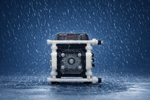
Chemical Dosing / Metering Pumps are often exposed to harsh environmental conditions, such as extreme heat and UV light, cold, rain, wind, dirt and sand. When pumps are exposed to such harsh weather conditions, temperature fluctuations, volatile elements and then viscous and/or corrosive chemicals are added to the mix, how can we expect them to continue delivering accurate and reliable chemical dosing? Choosing the right pump and components are essential.
|
|
|
|
|
Chemical metering pumps are used to deliver precise amounts of chemicals, including sodium hypochlorite, peracetic acid and other disinfectants, into water treatment systems. Depending on the type of pump in use, and the chemical being dosed, along with other conditions, operators may experience vapor locking. This article will explain the common causes of vapor lock and provide tips for minimizing or preventing it.
|
|
|
|
|
Water treatment processes rely on chemical additions to achieve desired outcomes, including disinfection, pH control, and contaminant removal. Tolerances for these outcomes are tight. Too much deviation can put communities at risk and result in regulatory action. This drives treatment managers to purchase the most accurate chemical metering pumps available. While accuracy is important, the real lynchpin in process control may be the repeatability of the pump.
|
|
|
|
|
Many steps are involved in properly treating water and wastewater to meet regulatory requirements. While Sodium Hypochlorite is the most well-known, there are other technologies being used successfully, these include Peracetic Acid (PAA), Ozone and UV disinfection. It is critical for engineers, project managers and operators to understand the pros and cons of each disinfection technology before incorporating them into a water treatment system.
|
|
|
|
|
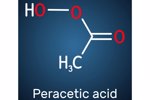
There is interest in peracetic acid (PAA) as an alternative to chlorine for disinfection. PAA is highly effective against bacteria and other contaminants. It does not form any known DBPs and has less environmental impact. However, before substituting PAA for chlorine, it is critical to understand the chemistry, its applications, and methods of handling and dosing. The article explains the chemistry, applications, and methods of handling and dosing.
|
|
|