
Can Chemical Dosing Pumps Overcome Extreme Environmental Conditions And Harsh Chemicals?
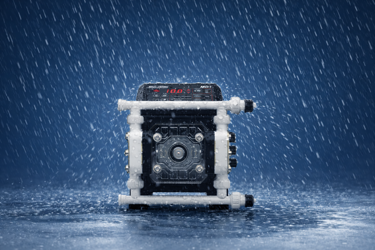
Chemical metering pumps used in drinking water and wastewater treatment are routinely exposed to extreme environmental conditions and aggressive chemicals that challenge long-term accuracy and reliability. Temperature swings, UV exposure, moisture, dust, and corrosive or viscous chemicals can degrade materials, disrupt dosing, and increase maintenance demands if pumps are not properly designed. Modern peristaltic and diaphragm pumps address these challenges through advances in material science, motor design, enclosure protection, and intelligent controls. Chemical compatibility is improved through the use of high-performance materials such as PVDF, while enhanced motor sizing and torque management allow pumps to handle high-viscosity fluids in cold conditions. Vapor lock risks associated with volatile chemicals are mitigated through dual-diaphragm designs, smart drive technology, and external venting solutions. Environmental protection ratings such as NEMA 4X and IP66 safeguard electronics and motors from water, dust, and chemical vapors, while UV shielding and thermal management systems protect sensitive components. Third-party certifications further validate durability, safety, and performance. Together, these innovations enable modern chemical metering pumps to deliver consistent dosing accuracy, reduced downtime, and a lower total cost of ownership, even in the harshest operating environments.
Get unlimited access to:




Enter your credentials below to log in. Not yet a member of Water Online? Subscribe today.