
Why You Should Replace Differential Pressure Transmitters With Radar
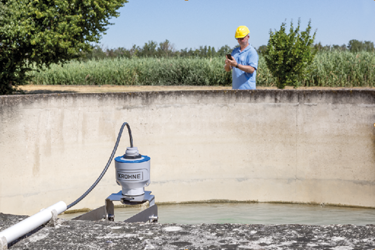
Differential pressure (DP) transmitters have long been a staple in wastewater and stormwater level measurement, valued for their straightforward physics and familiar operation. However, modern collection systems demand greater precision, lower maintenance, and improved safety than traditional pressure-based methods can reliably provide. This article examines why radar technology — specifically 80 GHz frequency modulated continuous wave (FMCW) systems — is rapidly becoming the preferred retrofit solution for aging DP installations. By eliminating density-related inaccuracies, impulse line clogging, wetted sensor failures, and frequent recalibration, non-contact radar measurement offers a cleaner, more dependable approach to monitoring liquid levels. The piece also explores installation advantages, including simplified top-mounted configurations that often reuse existing wiring infrastructure, as well as smart features like Bluetooth commissioning and built-in flow conversion for open-channel applications. Ultimately, the article makes the case that replacing DP transmitters with modern radar systems is not merely an upgrade, but a strategic step toward reduced operating costs, improved reliability, and safer plant operations.
Get unlimited access to:




Enter your credentials below to log in. Not yet a member of Water Online? Subscribe today.