
What Small Municipal Utilities Get Wrong About 'Right-Sizing' Treatment Plants
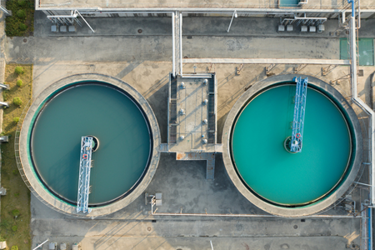
For many small and rural municipal utilities, the concept of "right-sizing" a wastewater treatment plant is often misunderstood as a simple calculation of current capacity plus a buffer for future growth. However, this traditional approach frequently leads to overbuilt, inefficient systems that struggle with operational stability. When a facility is significantly oversized for its actual flow, it creates a host of biological and mechanical issues, ranging from excessive detention times to difficulty maintaining the healthy microbial populations necessary for effective treatment.
True right-sizing requires a departure from outdated per-capita flow assumptions and a move toward data-driven design. By analyzing actual water usage trends—which have shifted significantly due to modern low-flow fixtures—and prioritizing modularity, utilities can build systems that are both fiscally responsible and operationally resilient. Embracing scalable infrastructure allows a community to meet today’s regulatory standards without saddling future generations with the high energy and maintenance costs of an underutilized plant. Understanding these design pitfalls is the first step toward a more sustainable infrastructure strategy.
Get unlimited access to:




Enter your credentials below to log in. Not yet a member of Water Online? Subscribe today.