
Turbo Blowers For Wastewater Treatment: Efficiency, Benefits, And Maintenance Considerations
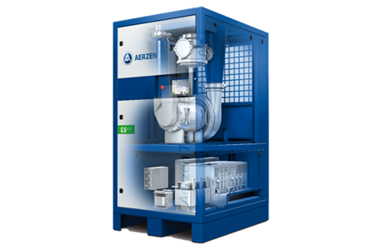
Turbo blowers have emerged as a high-efficiency alternative to traditional positive displacement (PD) blowers in wastewater treatment aeration systems. By using high-speed impellers and dynamic compression rather than mechanical displacement, turbo blowers deliver continuous airflow with significantly lower energy consumption, often reducing aeration energy use by 20% to 40%. Their compact footprint, reduced noise, and ability to precisely modulate airflow through variable frequency drives make them well suited for activated sludge basins, membrane bioreactors, and other high-pressure, continuous-flow applications.
The article examines how turbo blowers differ from PD technologies, outlines where they provide the greatest operational value, and explains scenarios where PD blowers may still be preferable. It also explores key maintenance considerations, including air filtration requirements, performance monitoring, and annual preventative inspections. Special attention is given to bearing technologies—air foil versus magnetic bearings—and how each affects reliability, service needs, and lifecycle costs. Finally, the discussion addresses surge conditions, their causes, and the control strategies required to prevent damage. Together, these insights help utilities evaluate whether turbo blowers align with their performance, efficiency, and operational goals.
Get unlimited access to:




Enter your credentials below to log in. Not yet a member of Water Online? Subscribe today.