
The Future Of Field Water Testing: Shifting From Sequential To Parallel Analysis
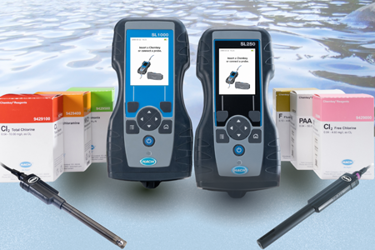
Traditional manual grab sampling keeps skilled water technicians bogged down in repetitive, sequential testing that drains hours and invites transcription errors. By transitioning from sequential methods to parallel analysis, facilities can test up to six parameters simultaneously directly at the sample site. This strategic shift slashes testing time from roughly 40 minutes per site to under ten minutes. In practice, municipal and industrial plants have reduced field testing times by 75%, transforming an 18-hour task into a streamlined four-hour workflow. Automating sample mixing and data logging not only protects data integrity but also frees operators to focus on critical process adjustments. Read the full article to see how parallel analysis optimizes field workflows and drastically reduces operational costs.
Get unlimited access to:




Enter your credentials below to log in. Not yet a member of Water Online? Subscribe today.