
Removal Of Naturally Occurring Uranium With Purolite™ A300E
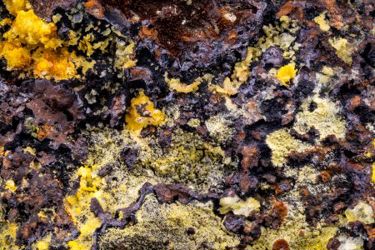
Addressing elevated uranium levels in wastewater requires a swift, technically sound approach to protect public health and ensure regulatory compliance. In the Midwest, where local standards can be twice as stringent as federal maximum contaminant levels, utilities must prioritize technologies that can consistently reduce radioactive isotopes like U-234 to safe thresholds. Toxic concentrations of these minerals are linked to severe long-term health risks, including kidney failure and chromosome damage, making effective remediation a top priority for engineering groups.
Through collaborative pilot studies, ion exchange has been identified as a premier solution for uranium removal. By utilizing specialized resins and precise calculations of influent and effluent concentrations, facilities can determine the exact removal efficiency and resin capacity required for full-scale operations. Success in these projects often hinges on the ability to adapt to on-site setbacks, such as equipment adjustments for variable flow rates and contact times. Integrating these robust treatment methods allows municipalities to maintain reliable service while meeting the rigorous oversight of environmental departments.
Get unlimited access to:




Enter your credentials below to log in. Not yet a member of Water Online? Subscribe today.