
Reimagining Wastewater Screening: Advances In Headworks Protection That Reduce Downstream Costs
By Steve Aiken
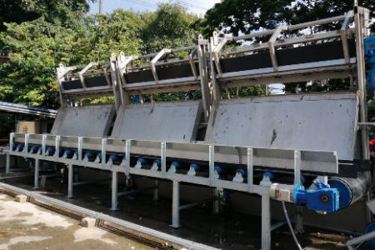
Wastewater treatment plants are facing a more challenging influent environment than ever before, making effective inlet screening a much higher priority. Extreme weather is driving bigger and more frequent peaking events heavily laden with plastics and other non-biodegradable debris, while modern waste stream challenges like flushable wipes, pharmaceuticals that bind to solids, fats, and oils that form fatbergs, and a growing load of non-dissolvable materials are overwhelming systems designed for a bygone era.
At the same time, downstream assets such as pumps, membranes, and biological treatment processes have become more sophisticated and more sensitive, increasing the potential costs of damage, fouling, energy consumption, and downtime when solids break through. Furthermore, inadequate screening heightens regulatory and compliance risk, particularly during wet-weather events, when bypassing or overflow can lead to permit violations, elevated solids in effluent, and increased scrutiny from regulators.
As utilities work to safeguard critical investments, optimize performance, uphold compliance, and maintain reliable service, innovations in screening technology and source-point protection are rapidly advancing to meet the challenges from today’s wastewater.
Get unlimited access to:




Enter your credentials below to log in. Not yet a member of Water Online? Subscribe today.