|
|
|
|
In this episode of the Water Online Show, host Travis Kennedy sits down with Elisa Mayerberger of Calgon Carbon to explore the growing importance of thermal reactivation in water treatment.
|
|
|
|
|
Water utilities face several myths when evaluating PFAS treatment technologies. This article clarifies misconceptions about GAC’s short-chain PFAS performance, test reliability, media comparisons, resin fouling, and start-up challenges. Addressing these issues enables more accurate, cost-effective decision-making for selecting between GAC and IX systems in real-world applications.
|
|
|
|
|
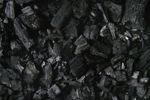
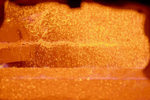
Thermal reactivation of granular activated carbon is a proven and scalable method to achieve >99.9% destruction removal efficiency for PFAS. This process fully restores the carbon for reuse, providing a sustainable solution that breaks the cycle of "forever chemicals."
|
|
|
|
|
The prospect of granular activated carbon (GAC) changeouts can be intimidating for plant operators. Spent media must be properly handled, and new media beds must go through the start-up process. Keeping in mind these six tips can ensure that the replacement process is smooth and uneventful.
|
|
|
|
|
Common assumptions about spent GAC — particularly around reactivation — are increasingly being challenged. Thermal reactivation can restore performance, reduce costs, and destroy contaminants, yet misconceptions persist. As utilities revisit carbon management strategies, long-standing misconceptions may not hold up under closer scrutiny.
|
|
|
|
|
PFAS regulations have become a moving target for water managers, whether you're a drinking water supplier facing state or pending federal treatment requirements, a wastewater utility dealing with PFAS entering and leaving your facility, or an industrial discharger concerned about liability and your responsibility to human health and the environment.
|
|
|