
4 Essential Truths About Carbon Reactivation
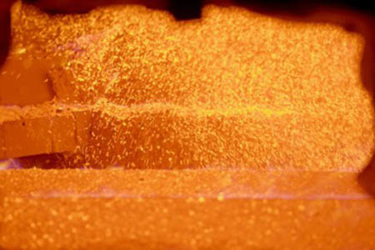
Granular activated carbon (GAC) remains a cornerstone of drinking water treatment, especially as utilities confront emerging contaminants like PFAS. Yet once carbon reaches the end of its service life, decisions around disposal or reuse are often shaped more by assumption than data. Persistent myths surrounding thermal reactivation—ranging from concerns about performance loss to misconceptions about cost and contaminant destruction—have led many utilities to overlook its full potential. In reality, high-temperature reactivation processes can restore adsorption capacity to near-virgin levels while simultaneously destroying harmful compounds, offering a closed-loop approach that reduces waste and extends media life. Compared to alternatives like landfilling or incineration, reactivation can also deliver meaningful cost and environmental advantages. As regulatory scrutiny increases and sustainability targets become more aggressive, separating fact from fiction is becoming critical. Many long-held beliefs about GAC management are being challenged—and what’s emerging may fundamentally reshape how utilities think about spent carbon.
Get unlimited access to:




Enter your credentials below to log in. Not yet a member of Water Online? Subscribe today.