
Polymers — Thick, Slippery, And Finally Under Control
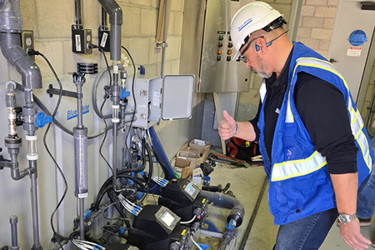
Polymers are essential to drinking water and wastewater treatment, but inconsistent chemical dosing or polymer degradation can undermine floc formation, shorten filtration cycles, produce wetter sludge cakes, and increase chemical costs. Although operators may suspect polymer chemistry or make-down equipment, the metering pump itself can be a contributing factor. Traditional diaphragm pumps can struggle with viscous, tacky polymers, as material buildup may cause check valves to stick, loss of prime, and inconsistent dosing. Their rapid strokes can also shear polymer chains or interfere with proper hydration, reducing treatment effectiveness. Peristaltic pumps offer an alternative, using progressive tube compression to deliver viscous chemicals without valves or other wetted components where polymers can accumulate. Proper tubing selection and suction-line sizing further help limit friction and shear. Additional features, including optical leak detection and revolution-based tube replacement alerts, can improve operator safety and support predictive maintenance. Matching metering technology to polymer characteristics can help treatment facilities maintain more consistent dosing, reduce chemical waste, and avoid preventable maintenance and operational problems.
Get unlimited access to:


Enter your credentials below to log in. Not yet a member of Water Online? Subscribe today.