
North Carolina Deploys $215 Million In Clean Water Grants As Post-Helene Rebuilding Continues
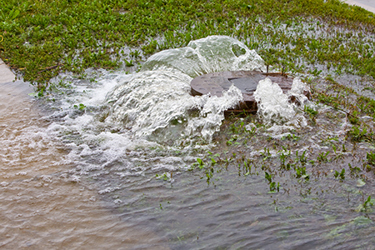
State environmental officials are moving more than $215 million into local communities to repair utility systems damaged by recent storms and upgrade aging drinking water and wastewater treatment facilities across 26 counties in North Carolina. The funding was announced in April 2026 by Governor Josh Stein and the North Carolina Department of Environmental Quality (DEQ). This brings the state’s total allocation of emergency and state revolving fund resources to $861 million. The large financial push comes as municipalities grapple with the long-term aftermath of Hurricane Helene, which crippled local treatment plants, flooded critical infrastructure, and exposed the vulnerabilities of the state's rural utility networks.
Rebuilding for the Next Big Storm
Of the total $215.3 million awarded, nearly $196 million is heading to western North Carolina communities, which were hit hardest by Hurricane Helene. State officials have made it clear that the focus is not on temporary repairs, but on long-term structural resilience.
“Funding these projects helps protect public health, the environment, and the economic vitality of our communities,” North Carolina DEQ Secretary Reid Wilson said during the announcement. Wilson emphasized that the funding is aimed at helping towns rebuild infrastructure, so it is more resilient to future extreme weather events.
For many towns, the money offers a chance to rethink how facilities are engineered. When catastrophic flooding knocked out critical pump stations and overwhelmed treatment systems, it exposed vulnerabilities in the existing designs. As such, simply replacing old equipment with identical technology leaves towns exposed to the exact same risks in the future. According to data from the U.S. Environmental Protection Agency (EPA), modern federal and state disaster grants are increasingly structured around adaptive designs, forcing utilities to elevate critical systems, relocate vulnerable lines out of floodplains, and build in additional operational redundancies.
Increasing Pressures On Public Utilities
While disaster response takes immediate priority, the state’s funding distribution reveals that local communities are simultaneously addressing both aging infrastructure and increasingly stringent regulatory requirements.
Beyond flood mitigation, a portion of the 66 approved projects is aimed squarely at public health modernizations. Municipalities are leveraging the funds to systematically map and replace lead service lines. In addition, several grants are dedicated specifically to studying and treating emerging contaminants, such as per- and polyfluoroalkyl substances (PFAS). These efforts will help rural systems address persistent “forever chemicals” before stricter federal compliance requirements take effect.
A Scarcity Of Capital
Despite the size of the current funding cycle, environmental advocates warn that the state’s utility needs vastly outstrip available resources. The North Carolina Division of Water Infrastructure reported receiving an overwhelming $1.3 billion in funding requests following Hurricane Helene, leaving roughly $655 million in much-needed funding still unmet. Meanwhile, data from the North Carolina Office of State Budget and Management (OSBM) indicates the state faces tens of billions of dollars in infrastructure funding needs over the next decade.