
Nitrification Optimization In The Real World At Grapevine, TX
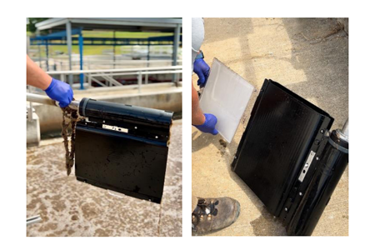
Effective nitrification is a critical yet energy-intensive component of wastewater treatment, often accounting for the largest share of a facility’s operational costs. While many plants rely on surrogate measurements like dissolved oxygen or oxidation-reduction potential to manage aeration, these methods can lead to over-treatment and unnecessary energy consumption. Transitioning to real-time, direct ammonia monitoring provides the visibility needed to align aeration levels precisely with biological demand.
By implementing gas-sensing technology that remains accurate regardless of pH or temperature fluctuations, operators can maintain strict permit compliance while identifying significant opportunities for optimization. This precision allows for the reduction of blower speeds and even the consolidation of equipment use, directly lowering electricity expenses and carbon emissions. Enhanced filtration systems further support these gains by ensuring consistent sample delivery with minimal manual intervention. To see how a municipal facility achieved an 18% average reduction in power usage through improved nutrient visibility, read the full case study.
Get unlimited access to:




Enter your credentials below to log in. Not yet a member of Water Online? Subscribe today.