|
|
|
|
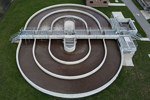
Modern oxidation ditches combine multichannel biological treatment, advanced aeration, and intelligent controls to achieve stringent nutrient removal targets. These technologies improve nitrogen and phosphorus removal, reduce energy and maintenance requirements, simplify plant layouts, and provide flexibility to adapt treatment processes as regulatory requirements and operating conditions change.
|
|
|
|
|
Gravity-fed biofiltration provides wastewater treatment plants with an energy-efficient approach to tertiary treatment, combining biological nutrient removal with filtration. Proper underdrain design, intelligent backwash control, durable components, and flexible configurations support reliable performance, low operating energy, and long-term adaptability.
|
|
|
|
|
Ballasted clarification intensifies phosphorus removal by using dense flocs that settle rapidly, allowing wastewater plants to achieve treatment goals with substantially smaller footprints. Magnetite recovery, reduced chemical consumption, elimination of backwashing, shock-load resilience, and retrofit flexibility can further reduce operating and construction costs.
|
|
|
|
|
Aeration optimization requires an integrated approach that combines optimized diffuser density, advanced blower technology, and intelligent controls. Evaluating performance using standard aeration efficiency can help wastewater plants identify opportunities to significantly reduce energy consumption and achieve faster returns on high-efficiency system investments.
|
|
|