|
|
|
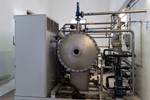
By Myron L Company | Because ozone is relied on so heavily to oxidize a wide variety of potential wastewater contaminants, water quality analysis during the disinfection process is paramount. Once the ozone process itself is understood, its water quality ramifications and the quality parameters that offer insight into its efficacy can be analyzed and taken into account. | |
|
|
Drinking Water Disinfection – A History And Improved Monitoring Techniques | By Swan Analytical USA | In many countries we take for granted the availability and reliability of safe drinking water. A recent trip outside of the US reminded me of this fact when I saw notices in the hotel rooms stating the drinking water met specific standards and was safe to drink however, my friends from the country emphatically warned me to not drink the water. |
|
|
|
|
Ceramic Membranes Offer High Performance, Long Life, And Lower Operating Costs For Water Treatment | By Aqua-Aerobic Systems, Inc. | Microfiltration and ultrafiltration have become mainstays in the water treatment arena. These processes remove contaminants from water by passing it through a low-pressure membrane. Membrane filters are constructed with a variety of materials with various pore sizes. The challenge is determining which best suits the application with regard to performance, cost, and ease of operation. |
|
|
|
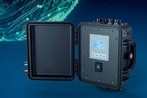
AquaFluor Handheld Fluorometer | AquaFluor is a rugged, portable fluorometer for quick field measurements of chlorophyll, blue-green algae, rhodamine, fluorescein, and other fluorophores. Lightweight and battery-operated, it combines affordability with reliable performance. Perfect for spot checks and rapid assessments, AquaFluor enables researchers and water managers to collect accurate fluorescence data anywhere, anytime, with minimal training or setup required. | • Request Information | Turner Designs | |
|
|
|
|
SITRANS FS290 Portable Clamp-On Flow Meter Test Kit | Each measuring path is formed by two coordinated transducers that transmit ultrasonic signals back and forth through the pipe. Using the transmit and receive time difference between the two signals, caused by the flow in the pipe slowing the transit time against the flow and accelerating the time with the flow, the transmitter calculates the resulting flow measurement. | • Request Information | Siemens Process Instrumentation | |
|
|
|
|
|