
How To Check Colorimetric Accuracy And Troubleshoot Unexpected Results
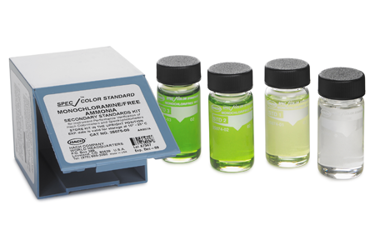
Colorimetric analysis hinges on precision, yet everyday operational variables—from sample matrix interference to subtle operator technique—can jeopardize data integrity. Maintaining analytical control requires a structured verification routine rather than guesswork. By systematically applying reagent blanks to account for chemical background color and sample blanks for incoming turbidity, operators establish an accurate baseline. Routine performance checks using primary analyte standards confirm the health of the entire measurement system, while secondary optical standards verify instrument stability. When unexpected readings occur, following a step-by-step diagnostic process targeting reagents, technique, labware, and optical alignment prevents costly retesting and protects regulatory compliance. Download the complete guide to refine your laboratory's QA/QC protocols and ensure defensible testing results.
Get unlimited access to:




Enter your credentials below to log in. Not yet a member of Water Online? Subscribe today.