
How Integrated Aeration Unlocks Wastewater Treatment Efficiencies
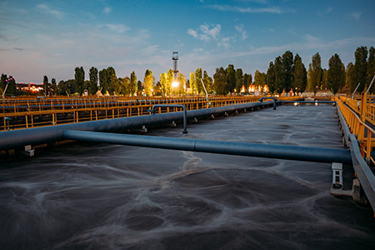
Aeration is often the largest operating expense at municipal wastewater treatment plants, yet conventional design and operating practices can drive unnecessary energy use and capital costs. Default dissolved oxygen setpoints, continuous blower operation, and equipment specified independently can result in over-aeration, oversized systems, and unclear accountability for treatment performance. A system-level approach can improve efficiency by aligning blower capacity, diffuser design, and process controls with actual biological treatment requirements. Lowering dissolved oxygen setpoints where process conditions permit can reduce oxygen-delivery energy, while cyclic aeration and denitrification can help offset oxygen demand and recover alkalinity. Integrated system architecture also allows variable frequency drives to adjust blower output as flows and organic loads change. Real-time instrumentation—including dissolved oxygen, ammonia, and airflow measurements—can support automated adjustments to air delivery and distribution. Coordinating diffusers, blowers, and controls within a unified design can reduce required airflow and discharge pressure, potentially enabling smaller motors and less supporting infrastructure. Consolidating system responsibility can also improve accountability for performance. As nutrient discharge requirements become more stringent, integrated aeration strategies offer utilities a way to manage energy consumption, capital investment, and treatment outcomes together rather than optimizing individual components in isolation.
Get unlimited access to:


Enter your credentials below to log in. Not yet a member of Water Online? Subscribe today.