
Fyfe - Intermountain Power Plant
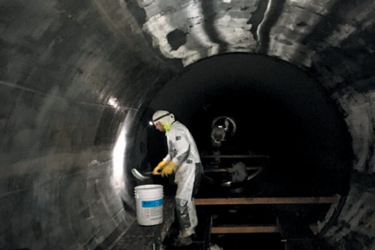
For power generation facilities, the structural integrity of circulating cooling water (CW) systems is a cornerstone of operational reliability. Because these high-diameter pipelines—often 120-inch prestressed concrete cylinder pipes (PCCP)—are buried and critical to the plant’s function, traditional replacement methods are rarely feasible due to the immense cost and downtime involved. Instead, engineers rely on advanced structural strengthening solutions that can be applied internally during scheduled maintenance outages.
Carbon fiber-reinforced polymer (CFRP) wet lay-up systems offer a high-strength, low-profile alternative for rehabilitating these assets. By following rigorous design guidelines, such as those established by the AWWA, these systems provide a standalone structural renewal designed to last 50 years. The installation involves a precise sequence of surface preparation, end detailing to ensure a watertight seal at joints, and the application of fiber layers in both hoop and longitudinal directions. This internal approach allows the pipeline to be restored to full capacity without surface excavation, ensuring the project remains on schedule and within budget. Explore this case study to see how composite technology provides long-term security for critical cooling systems.
Get unlimited access to:




Enter your credentials below to log in. Not yet a member of Water Online? Subscribe today.