|
|
|
|
|
|
|
|
|
|
|
SOURCE & DRINKING WATER TREATMENT
|
|
|
|
|
|
By Xylem Drinking Water Solutions
|
Transitioning to advanced purification methods like UV-hypochlorite oxidation allows municipalities to secure reliable, local water supplies. These strategies mitigate drought risks and protect coastal environments by transforming wastewater into a high-quality resource for reuse.
|
|
|
|
|
|
|
|
Integrating MBRs Into Mixed-Use Developments
|
|
By Integrated Water Services, Inc.
|
Diverse wastewater flows from mixed-use projects strain conventional systems. Learn how advanced biological treatment stabilizes unpredictable loads, ensures compliance, and delivers high-quality water suitable for reuse.
|
|
|
|
Addressing PFAS Contamination In Cape Fear's Source Water
|
|
By Calgon Carbon Corporation
|
The Cape Fear Public Utility Authority (CFPUA) provides drinking water to more than 200,000 residents in the Wilmington, North Carolina area. In 2017, the community learned that per- and polyfluoroalkyl substances (PFAS) were contaminating CFPUA’s drinking water source.
|
|
|
|
DISTRIBUTION & COLLECTION SYSTEMS
|
|
|
|
|
|
By U.S. Pipe
|
Discover why ductile iron pipe outperforms plastic for tapping, repairs, and long-term adaptability — delivering superior safety, strength, and reliability for modern water infrastructure.
|
|
|
|
|
|
3 Acoustic Technologies For Leak Detection And Pipe Assessment
|
|
By Mueller Water Products
|
Acoustic technology has been successfully used in leak detection, pipe assessment, and continuous leak monitoring for decades. These technologies leverage advanced signal processing and machine learning, offering a proactive approach to managing water distribution networks. Let's examine three technologies that are achieving great results around the world.
|
|
|
|
|
|
Waterworks Joints 101
|
|
By EBAA Iron
|
There are many different joints that can be found on waterworks pipeline components. This paper focuses on the three most common joints.
|
|
|
|
|
|
|
|
By Duperon
|
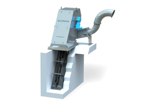
Small WWTPs can handle inconsistent flows more efficiently using adaptive low-flow screening and compaction technologies that stabilize water levels, reduce wear, prevent blinding, and shrink debris volume and weight.
|
|
|
|
|
|
A New Approach To Installing Blower Systems
|
|
By Kaeser Compressors, Inc.
|
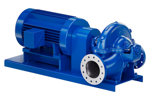
Upgrading the aeration system in a wastewater operation is typically burdensome because of the design work, permits, construction, and commissioning required for a structure before a new blower system can be installed. An affordable, purpose-built blower system delivered in its own secure, weatherproof enclosure may be a viable alternative that can be commissioned sooner and at lower cost than one that requires renovations or new construction.
|
|
|
|
Guidelines For Successful Turbo Blower Installation
|
|
By Aerzen
|
Since high-speed blowers were initially introduced in the U.S. about 20 years ago, they have been helping wastewater treatment plant (WWTP) operators reduce energy costs — representing up to 60% of all plant operating costs — without compromising plant performance.
|
|
|
|
|
|
|
|
|
|
By Itron
|
Artificial intelligence (AI) is reshaping water loss management by turning complex utility data into clearer priorities, faster insights, and more proactive decision-making — without replacing the people responsible for running the system.
|
|
|
|
|
|
|
|
Is The Water Sector Ready For AI?
|
|
By Bentley Systems
|
Despite AI's potential to transform the water sector, fewer than half of organizations are fully ready for adoption. The biggest challenges are procedural and cultural, like fear of change and workforce readiness. Focus on these internal barriers to gain measurable efficiency and sustainability benefits.
|
|
|
|
Empowering Smarter Decisions With Pipeline Data
|
|
By Xylem
|
Through case studies and technical insights, this paper demonstrates how utilities can use inspection tools, valve assessments, structural modeling, and predictive analytics to make informed decisions.
|
|
|
|
|
|
|
|
EPA Defends 10-Year Lead Pipe Replacement Mandate
|
The U.S. EPA has formally notified a federal appeals court that it will defend the 10-year nationwide lead service line replacement requirement under the Lead and Copper Rule Improvements (LCRI), reinforcing both the agency’s legal authority and the technical feasibility of full pipe replacement.
|
|
|
|
|
|
|
|
|
|
|
|
|
|
|
|
|
|
|
| Connect With Water Online: |
|
|
|
|