
Designing For Harmful Algal Blooms (HABs) In Surface Water Treatment Plants
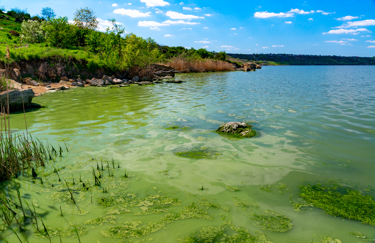
In August 2014, the Toledo water crisis left 500,000 residents without safe drinking water when toxins from a harmful algal bloom in Lake Erie overwhelmed the city’s ageing treatment plant. Designed decades earlier for particulate removal, the facility lacked the capability to address dissolved cyanotoxins—exposing a critical vulnerability that is becoming increasingly common.
Harmful algal blooms (HABs) are no longer rare events. Across the United States, cyanotoxins such as microcystins are now frequently detected in surface water supplies, driven by rising temperatures and nutrient loading. These blooms create a dual treatment challenge: removing intact algal cells without releasing toxins, and eliminating dissolved contaminants that conventional processes cannot reliably capture.
This shift has major design implications. Traditional treatment trains—coagulation, sedimentation, and filtration—must now be supplemented with flexible, multi-barrier approaches. Technologies such as powdered activated carbon, ozonation, and advanced oxidation provide critical protection, but they require upfront investment and thoughtful integration into plant design.
The key is flexibility. Facilities must be able to activate additional treatment barriers as conditions change, rather than relying on a single fixed process. This introduces complex trade-offs between capital cost and risk, particularly as utilities plan infrastructure expected to operate for decades under uncertain future conditions.
Digital, scenario-based design tools are transforming how these decisions are made. By enabling engineers to evaluate multiple treatment configurations against a range of bloom scenarios, they support more resilient, cost-effective infrastructure—ensuring systems are prepared not just for today’s challenges, but for those still emerging.
Get unlimited access to:




Enter your credentials below to log in. Not yet a member of Water Online? Subscribe today.