|
|
|
|
Chemical dosing/metering pumps are often exposed to harsh environmental conditions, such as extreme heat and UV light, cold, rain, wind, dirt, and sand. When pumps are exposed to such harsh weather conditions, temperature fluctuations, volatile elements, and then viscous and/or corrosive chemicals are added to the mix, how can we expect them to continue delivering accurate and reliable chemical dosing?
|
|
|
|
|
Several steps are involved in properly treating wastewater so it meets regulatory requirements and can be safely reused or discharged. Disinfection is a critical step in the process to kill or disable pathogens which may be harmful to humans and the ecosystem. It is critical for engineers, project managers, and operators to understand the pros and cons of each disinfection technology before incorporating them into a water treatment system.
|
|
|
|
|
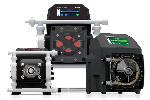
Diaphragm pump technology has been in use for decades and these pumps remain a popular choice for chemical metering. Many industries — including water and wastewater treatment — rely on this technology because it is affordable and also familiar. Despite these advantages, traditional diaphragm pumps can be problematic, and operators often struggle with vapor lock and inconsistent performance, however, there are recent innovations in diaphragm pump design that mitigate these issues.
|
|
|
|
|
When vapor lock occurs, the metering pump either stops injecting fluid entirely or fails to deliver the required dose of chemicals. This can lead to significant disruptions in the disinfection process, potentially compromising water quality and safety. Prolonged exposure to gas buildup can cause wear and tear on the pump components and may lead to pump failure. While vapor locking is a serious concern, there are several strategies and technologies available to mitigate its impact and ensure continued system performance.
|
|
|
|
|
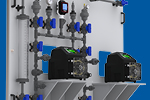
When it comes to chemical treatment of water and wastewater, precision, efficiency, and reliability are paramount. Choosing a pre-engineered chemical metering skid system, which is predesigned and preassembled for the end user, is an excellent option. Prefabricated skids can minimize downtime, reduce costs, and eliminate the challenges associated with piecemeal assembly.
|
|
|
|
|
Since the Infrastructure Investment and Jobs Act (IIJA) was first enacted in 2021, the water and wastewater treatment industry in the United States has undergone a significant shift. A cornerstone of this legislation is the Build America, Buy America Act (BABA), which sets domestic content procurement requirements for federally funded infrastructure projects. This article explains the requirements for compliance.
|
|
|