
Aging In Place: How Acoustic Testing Is Reshaping AC Pipe Renewal Decisions
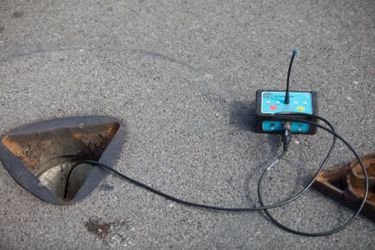
Hundreds of thousands of miles of asbestos cement (AC) pipes installed across North America between the 1940s and 1960s are now rapidly reaching the end of their design lives. These pipelines suffer from some of the highest failure rates in the industry , yet full system replacement is rarely feasible under constrained capital budgets. Traditionally, utilities relied on calendar age to prioritize renewals ; however, scheduling replacements based strictly on age can lead to premature excavation of viable assets while leaving severely degraded pipes in the ground.
Because AC pipe degradation often causes material wall softening rather than physical wall loss, standard physical thickness inspections frequently fail to identify structural vulnerabilities. Non-invasive acoustic condition assessment solves this by measuring internal acoustic wave velocity to determine structural stiffness and average remaining wall thickness. This non-disruptive methodology pinpoints true pipeline degradation and hidden leaks without requiring excavation or service interruptions. Integrating these structural insights into asset management programs allows utilities to confidently defer replacements for stable lines and strategically direct capital budgets to the highest-risk infrastructure.
Get unlimited access to:




Enter your credentials below to log in. Not yet a member of Water Online? Subscribe today.