
Why You Need To Modernize Your Pump Station Controllers
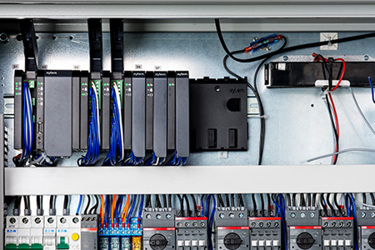
Pump station controllers have long operated in the background, quietly managing flows and preventing overflows. But as wastewater infrastructure ages and systems become increasingly connected, the risks tied to outdated control technology are growing harder to ignore. Cybersecurity threats, rising energy costs, and limited maintenance resources are placing new demands on systems that were never designed for today’s operational realities. Modern controllers are stepping in to address these pressures, offering more than simple automation. With built-in cybersecurity frameworks, regular firmware updates, and encrypted communications, they help safeguard critical infrastructure from both remote and on-site threats. At the same time, advanced analytics and control algorithms are transforming day-to-day operations by reducing emergency callouts, optimizing pump performance, and extending equipment life. Modular designs further ensure adaptability as system requirements evolve. Rather than waiting for failures to force action, utilities are increasingly recognizing the value of proactive modernization—turning pump station control from a basic necessity into a strategic asset for resilience, efficiency, and long-term sustainability.
Get unlimited access to:




Enter your credentials below to log in. Not yet a member of Water Online? Subscribe today.