
Why Turbidity Becomes A Method-Specific Parameter
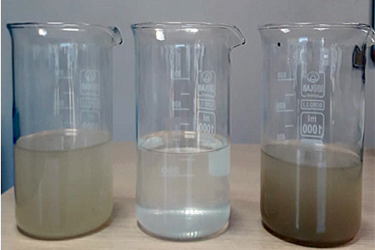
Turbidity measurements become method-defined at high levels, making consistent data collection challenging across different testing technologies. Particle size, sample color, bubbles, and rapid settling often introduce significant measurement interference. Comparative studies demonstrate that high-turbidity samples frequently result in substantial measurement variance when evaluated across distinct optical designs, such as standard nephelometers, ratio systems, or backscatter units. Achieving accurate, quantitative results requires careful sample preparation, including proper homogenization without introducing air, dilution testing to establish linear response curves, and matching light source wavelengths to sample properties. Reviewing standardized protocol guidance helps process managers evaluate optical response curves, optimize sample dilution methods, and select the proper monitoring approach for high-turbidity applications.
Get unlimited access to:




Enter your credentials below to log in. Not yet a member of Water Online? Subscribe today.