
UV Advanced Oxidation For Potable Reuse
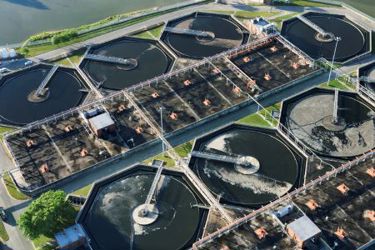
Growing water scarcity and declining traditional supplies are driving many regions to adopt domestic wastewater reuse to secure sustainable drinking water. While advanced wastewater treatment facilities utilize advanced membrane technologies like microfiltration and reverse osmosis, even these systems fail to completely remove certain chemical micropollutants, such as 1,4-dioxane and N-nitrosodimethylamine (NDMA).
To overcome these filtration gaps, the UV Advanced Oxidation Process (UV AOP) provides a critical destruction mechanism. By introducing ultraviolet light alongside oxidants like free chlorine or hydrogen peroxide, the process breaks chemical bonds to destroy persistent contaminants without creating environmental residuals. Because destroying micropollutants requires high light intensity, properly designed UV AOP systems simultaneously streamline operations by delivering up to a 6-log disinfection credit for viruses and protozoa in a single step.
Read this application note to explore optimal oxidant strategies and learn how integrating UV AOP enhances water purification workflows.
Get unlimited access to:




Enter your credentials below to log in. Not yet a member of Water Online? Subscribe today.