
Using Biological Competition To Suppress Algae Growth
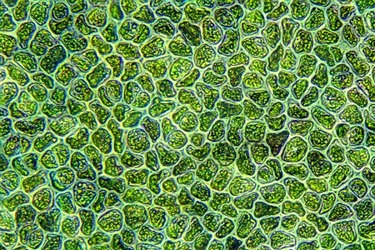
Algae management in pond systems is often treated as an exercise in removal, yet lasting success depends on addressing the underlying driver: nutrient availability. While excess nitrogen and phosphorus provide the fuel for blooms, the most sustainable solution involves biological competition rather than chemical intervention. By introducing specific bacterial populations through bioaugmentation, facilities can redirect nutrients into bacterial biomass, effectively starving algae of the resources required for dominance.
This shift toward nutrient limitation stabilizes diurnal dissolved oxygen and pH cycles, creating a more predictable environment for wastewater treatment. Unlike traditional algaecides that focus on cellular destruction, a biological approach utilizes competitive displacement to favor floc-forming biomass. As these bacteria consume ammonia and orthophosphate, they decrease light penetration and degrade organic debris, leading to clearer effluent and reduced surface mats. Implementing a consistent dosing strategy focused on microbial health allows operators to manage pond ecosystems through natural competition, ensuring long-term stability and compliance without the rebounding cycles of chemical treatments.
Get unlimited access to:




Enter your credentials below to log in. Not yet a member of Water Online? Subscribe today.