
Understanding The Limit Of Detection
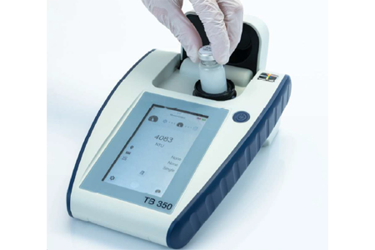
In water quality analysis, the Limit of Detection (LOD) and Limit of Quantitation (LOQ) are vital benchmarks for validating the precision of analytical methods. While traditionally calculated using a signal-to-noise ratio, turbidity measurement presents unique challenges because a true "zero" blank does not exist due to inevitable molecular light scattering. To accurately determine the lowest detectable change in turbidity, technicians must account for variables such as stray light, glass vial defects, and sample matrix interference.
Refining these measurements requires specialized protocols, such as surface-treating vials with silicone oil or utilizing specific spiking increments to establish sensitivity at ultra-low levels. Understanding these nuances is essential for water treatment plants maintaining strict filter effluent limits below 0.1 NTU. By applying rigorous testing methodologies, facilities can ensure their instrumentation meets the high sensitivity requirements of modern regulatory standards.
Get unlimited access to:




Enter your credentials below to log in. Not yet a member of Water Online? Subscribe today.