
Understanding Biofilm Through Oxidative Processes
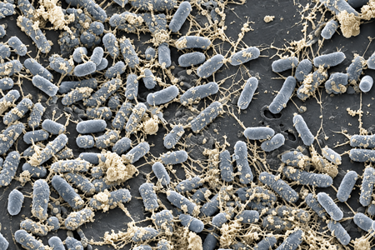
A biofilm that has formed is more than a population of microorganisms. Its extracellular matrix protects the community, retains nutrients, and lets it recover after treatment, which means microbial kill alone may leave the surface open to recolonization. Written by Emma Flanagan, a sanitary engineer and subject matter expert in mineral oxychloride advanced oxidation processes, Part 2 of the Understanding Biofilm series frames oxidative control as three related objectives: prevention, destabilization, and removal. It considers how different reactive species behave against different chemical targets, why oxidant penetration matters, and how oxidation and hydraulics work together in real systems. It also raises a pointed question about how oxidative performance should be evaluated. Explore the mechanistic framework and see which questions it makes worth asking.
Get unlimited access to:


Enter your credentials below to log in. Not yet a member of Water Online? Subscribe today.