
UK Reservoirs, Water Shortages, And Legionella Risks
By Pete Gunn
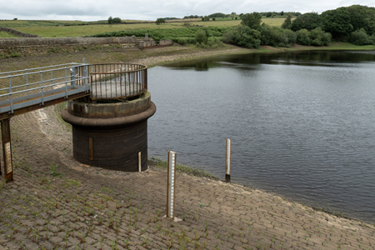
Global warming has very many downsides and few short-term benefits. Even in the 1970s and ’80s, warm wet winters and hotter dry summers were a confident prediction for the UK.
Global warming as a term, though, is something of a misnomer, with few gradual increases in temperatures and erratic and extreme weather patterns now being much more frequent. These are underpinned by a baseline increase in both ambient and sea temperatures.
Climate Change
We commonly accept that ‘climate change’ is certainly more apparent than ever. Spring/Summer 2025 were identified as the warmest on record in the UK, Autumn certainly above average, and the last three years all fell within the hottest five years to be recorded. However, we can also say rainfall during the winters in the 21st century has certainly shown an upward trend, the wettest on record was as recent as Autumn ’23 - Spring ’24, and November 2025 has been 31% above average across England and Wales.
Limited Reservoir Supply And Their Further Development
Winter is a time of recharging of our rivers, reservoirs, and groundwater sources and whilst in some parts of the UK, the Summer/Winter imbalance will remain manageable for the time being, in other areas it will not — particularly with extreme weather events or consecutive and lengthy periods of drought become more frequent.
A part of the UK government’s ‘Plan for Change’ and the expectation of a potential 4- to 5-billion-liter shortfall of drinking water each day [due to the increases in population, new homes being built, and climate change], national water supply companies have committed to the development of nine new reservoirs [including in Suffolk, Kent, East Sussex, Lincolnshire, the West Midlands, Oxfordshire, and Cambridgeshire] by 2050. However, the first of these isn’t expected until 2036, more than 40 years since the previous similar infrastructure project.
This may well indirectly have an influence on the UK’s Legionella risk in the years to come.
Managing Legionella
The management and control of Legionella bacteria in water systems in the UK is governed by the Health and Safety Executive (HSE) and others, by what is commonly considered a robust framework and provides a wealth of information and many useful strategies to allow those responsible for managing properties to protect users and minimize risks with reasonable vigilance.
However, it is also true to say there are many direct and indirect influences due to recent fluctuating climate changes, including the increasingly limited reservoir supply providing potable water to us all, which ‘may’ mean Legionella bacteria reproduction is much more prevalent.
That said, what does this mean for both Legionella risk and the Legionella infections which may follow from that increased risk? Is there a clear link between a less plentiful water supply and an increase in Legionella in our domestic water systems?
The Hidden Legionella Risk Of Reduced Water Use
The average person in the UK currently uses approximately 141 liters (L) per day of water in its various forms [with a target of achieving 110 L/day by 2050]. Irrespective of whether this daily usage is significantly greater than some of our European neighbors [it is] — one may certainly say we are entirely reliant on a consistent supply. It is reasonably foreseeable then to assume in the event of water shortages and limiting water usage, that:
- there will be more evidence of stagnation and static water conditions locally;
- incoming mains cold water temperatures will increase for lengthy periods of time;
- there will be reduced water flow as a result of efforts to minimize consumption via conservation;
- the reduction in cold and hot water flow throughout in our domestic water systems will potentially mean there are additional parts of domestic distribution systems sitting at temperatures between 20 and 45 degrees C;
- the management of infrequently used outlets will become more problematic;
- within water systems already with sub-optimal designs, all of the above may be exacerbated;
conversely with the greater potential for extreme weather events, flooding, and the increased disruption of water systems can lead to possible contamination and erratic usage also leading to condition which may support further bacterial growth.
Keeping Water Systems Safe During Reduced Use
Due to the decades long timeframes needed to rectify the UK’s reservoir supplies, perhaps we need to ask ourselves, can we limit the impact of water shortages and this additional risk to bacterial growth? Whilst we will certainly need to be forward thinking and embrace new technology and less well known strategies to ensure our water systems remain safe, many of the likely best approaches may simply be enhanced versions of our existing water system design and management approaches.
The following will all remain vital to prevention and control:
- Vigilance and closely controlled hot and cold water temperatures;
- Ensuring we regularly clean and disinfect water systems;
- Removing sludge, sediment, and any other organic build-up within our water systems;
- Limiting the extent of aerosol creation or perhaps considering water-light strategies;
- Improving flushing regimes intelligently to reflect the needs of our systems;
- Having a clear understanding of the full extent of our water distribution systems and their usage patterns;
- Ensuring water systems are sized appropriately and independent where possible;
- Ensuring the scope of Legionella risk assessments is appropriately detailed and enhanced to include risk management contingencies;
- Making sure all staff are aware of new risks as they arise and remain or become competent;
Ensuring feedback to water systems designers reflects the concerns of a future with less water.
Preparing Water Systems For Climate And Supply Change
All of above are either current guidance or enhanced versions of the same current preventative measures which we assume are in place already. Understanding and acceptance of a high throughput of water in our domestic systems will always be vital in minimising bacterial growth, but in future this may not be achievable, or a given.
We are certainly reliant on UK guidance and regulation being proactive, too, in ensuring updates reflect the coming risk associated with climate change and the increasing likelihood of water shortages in the future. Having said that, its certainly not too early to consider future-proofing our water systems, particularly as they are likely to go hand in hand with our necessary and well-meant net-zero aspirations.
 Pete Gunn is a Senior Consultant at the Water Hygiene Centre.