
The Devastating Legacy Of Algaecides: Why The Quick Fix Is Failing Our Lakes
By Dave Shackleton
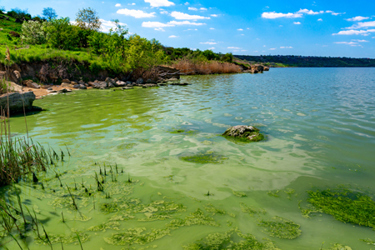
As we move into the warmer seasons, water management professionals across the country are bracing for the familiar challenge of harmful algal blooms (HABs). For decades, the standard operating procedure has been straightforward: when nuisance algae appear, apply a chemical algaecide. The water clears temporarily, and the problem appears solved.
However, a growing body of scientific evidence, supported by recent federal assessments, reveals that this 'quick fix' is a dangerously deceptive illusion. Rather than solving the problem, the repeated use of algaecides, particularly copper or peroxide-based treatments and ultrasonic devices, instigates a series of vicious, self-perpetuating feedback loops that lock lakes and reservoirs into a cycle of dependency and accelerating decay.
As detailed in the comprehensive video presentation above, the fundamental flaw in the algaecide approach is that it treats a symptom while actively reinforcing the root causes of eutrophication. When an algaecide is applied, it kills a massive amount of biomass almost instantly. This dead organic material sinks to the bottom, where its decomposition consumes oxygen, creating hypoxic dead zones.
As detailed in the comprehensive video presentation above, the fundamental flaw in the algaecide approach is that it treats a symptom while actively reinforcing the root causes of eutrophication. When an algaecide is applied, it kills a massive amount of biomass almost instantly. This dead organic material sinks to the bottom, where its decomposition consumes oxygen, creating hypoxic dead zones.
As confirmed by the U.S. Government Accountability Office (GAO) in 2022, this process intensifies hypoxia and adds to the nutrient stockpile in the sediment. This stockpile becomes a super-fertilizer, rich in orthophosphate and ammonia. Crucially, cyanobacteria (the culprits behind toxic HABs) possess a unique competitive advantage: they can dive down to access these nutrients, and they require significantly less energy to take up nitrogen from ammonia than from nitrate. By driving sediment nutrient recycling, algaecides effectively provide a five-star dining experience for the next, more toxic bloom.
Collateral Damage And The Super-Bug Effect
The destruction extends far beyond the target algae. Algaecides act as indiscriminate biocides, wiping out the entire planktonic ecosystem, including the beneficial zooplankton that serve as the lake's natural cleanup crew. Studies have shown that chemical treatments can reduce zooplankton populations by up to 43% in a single day, removing the natural grazing pressure that keeps algae in check.
Even more alarming is the evolutionary pressure these treatments exert. Repeated exposure to algaecides actively selects for more toxic and resilient cyanobacteria strains. For instance, research indicates that microcystin — a toxin produced by many cyanobacteria — actually evolved as a protective shield against oxidative stress. When peroxide algaecides dissipate to sub-lethal concentrations across a lake, they actively weed out non-toxic strains while leaving the protected, toxin-producing strains to survive and dominate.
Furthermore, because cyanobacteria are prokaryotes, the lysis (bursting) of their cell walls by algaecides releases genetic material into the water column. This environmental DNA, which may include genes conferring algaecide resistance, can be rapidly acquired by surviving cells through horizontal gene transfer. This is the exact same mechanism by which MRSA and other 'superbugs' develop antibiotic resistance in hospitals. We are, in effect, breeding algaecide-resistant super-cyanobacteria in our water bodies.
A Toxic Legacy
The long-term consequences of this cycle are severe. Copper from repeated treatments accumulates in the sediment, creating a toxic graveyard that poisons beneficial, ammonia-clearing microbes and kills bottom-dwelling organisms essential to a healthy food web. In some documented cases, sediment has become so heavily contaminated with heavy metals that it is classified as hazardous waste, preventing necessary dredging and restoration efforts.
As the native ecosystem collapses under this chemical assault, the door is opened for hardy, pollution-tolerant invasive species, such as Eurasian watermilfoil, to take over, further degrading the water body's ecological and recreational value.
Breaking The Cycle
As an industry, we must recognize that we cannot bring a lake back to life by killing things. The solution lies in transitioning away from symptom management and toward root-cause restoration. This means balancing our approach by enabling natural water infrastructure to function properly.
To break the cycle of chemical dependency, management strategies must focus on:
- Eliminating Hypoxia: Restoring oxygen to the entire water column to control nutrient release from the sediment.
- Reducing Sediment Nutrients: Utilizing enzymatic and biological treatments to digest the organic sludge stockpile rather than adding to it.
- Rebuilding the Food Web: Creating the healthy conditions necessary for zooplankton and beneficial algae to return and manage the ecosystem naturally.
As we prepare for the challenges of the upcoming season, it is time to stop the cycle of addiction. By understanding the devastating legacy of algaecides and adopting restorative, root-cause solutions, we can bring our lakes and reservoirs back to life, for good.
Dave Shackleton is the President of Clean-Flo International. (dave@clean-flo.com)