
Tap Water Beats Bottled Water In Nanoplastics Study
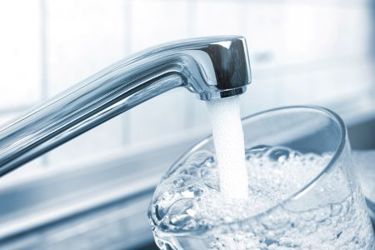
Scientists studying levels of micro- and nanoplastics (MNPs) in drinking water have made a surprising recommendation: choose tap water over bottled water.
The lead author of the study, Megan Jamison Hart of The Ohio State University, explained that the team analyzed water samples from four treatment plants near Lake Erie as well as six brands of bottled water. The results showed that bottled water contained “three times as many nanoplastic particles as treated drinking water.”
“For the average person who is thirsty and wants a drink, the best way to do that would be drinking it straight out of the tap rather than grabbing pre-bottled water,” Hart said.
Hart and her team developed a novel method for isolating MNPs, enabling them to determine concentrations using scanning electron microscopy and identify particles using optical photothermal infrared spectroscopy (OPTIR).
The researchers found that smaller nanoplastics were particularly concentrated in bottled water. Because of their tiny size, nanoplastics have been difficult to study, but Hart’s research revealed that more than half of the plastics detected in both tap and bottled water samples were nanoplastics.
Although the precise health effects of microplastics remain unclear, most scientists agree that the water industry should prioritize removing these particles from drinking water.
Senior author John Lenhart added: “By understanding the basic composition of the materials in water and the reactions important for controlling that composition, we can make better design decisions for future treatment or remediation. That’s why analyses like these are so promising.”