
5 Takeaways To Prepare For Hurricane Season And Build More Resilient Communities
By Ray Torrejon
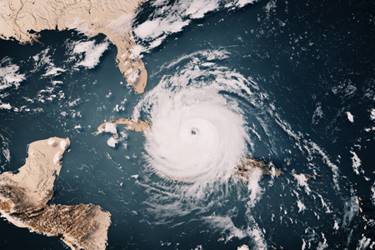
Stronger storms are exposing the limits of outdated infrastructure. From upgrading capacity to building stronger partnerships, here are five key lessons utilities can apply now to prepare for hurricane season and keep critical water systems running under pressure.
1. Older systems are often the most at risk.
The St. Petersburg facility, built in 1957, was originally designed to treat 20 million gallons of water per day (MGD). During hurricanes and severe rain events, demand can double. When flows exceed capacity, spills happen, jeopardizing water access and quality.
To address this, the facility’s capacity was increased to 30 MGD, modernizing the system to better reflect today’s demands. St. Petersburg is not an anomaly. Many coastal communities still rely on infrastructure that was not built for heavier rainfall or more intense storms. Expanding capacity and upgrading aging systems help prevent failures, reduce overload risk, and keep critical services running when conditions are at their worst.
2. Hurricane prep starts well before hurricane season.
Waiting until a storm is on the radar is too late. Effective preparation means assessing infrastructure, identifying vulnerabilities, and planning well before forecasts turn serious. That planning often begins before construction even starts.
At St. Petersburg, the team initiated a Construction Manager at Risk (CMAR) build approach in late 2021, bringing together the City, engineers, and contractors from day one. This allowed the team to evaluate how the facility would perform during a storm while it was still being designed and plan for long-term resilience.
Early collaboration among stakeholders helped ensure the project was practical and aligned with how the community responds during emergencies. It also supported more informed decision-making, streamlined execution and helped keep the project on schedule.
Coordination remained critical throughout construction. The team worked through hurricane-force winds and heavy rain while operating within an active, space-constrained facility that had to remain online. These conditions pushed the team to implement innovative design solutions to navigate complex site challenges.
3. Design needs to reflect today’s weather realities.
Storms are becoming more intense, and infrastructure must be designed with that in mind. Infrastructure built with additional capacity and flexibility are better equipped to handle extreme conditions and maintain performance.
Additional upgrades included two 7.5-million-gallon storage tanks to meet regulatory requirements and improve operational efficiency. The project also involved constructing a new 30-MGD influent pump station, which required a 35-foot-deep excavation. To support this work, the team developed a cofferdam, a temporary watertight enclosure that helped maintain safety, quality, and schedule despite high groundwater conditions.
4. Strong partnerships are critical to safe and effective response.
Strong relationships and clear planning make responses more effective. After Hurricane Milton caused significant damage in St. Petersburg, the City turned to PCL to repair critical seawalls based on the team’s proven track record. With those relationships in place, PCL was able to mobilize quickly, coordinate with local agencies and support a safe and efficient recovery.
Following Hurricane Ian in 2022, PCL crews in Naples shifted immediately from construction to safety and stabilization on a nearly completed project. Guided by a project-specific hurricane plan refined through lessons learned and field feedback, teams followed a step-by-step process to secure sites ahead of landfall. After the storm, they returned to assess hazards, stabilize conditions and coordinate with local officials so work could resume without disrupting response efforts.
These experiences informed the team’s approach in St. Petersburg. Once conditions allow, teams work with local partners to assess damage, identify risks and prioritize recovery efforts, including evaluating structural integrity, pump operations and electrical systems. This clarity helps communities restore services faster while reducing additional risk.
5. At the end of the day, this is about people and helping communities recover faster.
Resilient infrastructure is not just a technical goal. It protects public health, supports emergency response and provides stability when communities need it most.
Facilities that can withstand hurricanes keep essential services running, limit disruptions and support a smoother recovery. During severe weather events, the St. Petersburg Northwest Water Reclamation Facility has remained operational when other facilities were offline, making its reliability critical.
The facility serves about 25 percent of the city, roughly 80,000 to 85,000 residents. Upgrades like these help keep essential services running for thousands of people during extreme weather.
Still, critical upgrades are only the beginning. That reliability depends on having the capacity and technology to manage sudden surges in flow and maintain operations under stress. Many coastal communities still rely on aging systems and can benefit from similar investments to better prepare for stronger storms and a more unpredictable hurricane season.
 Ray Torrejon leads operations, strategic pursuits, and relationship-building efforts for PCL’s Civil Infrastructure Division in the eastern U.S. He has played a pivotal role in enhancing the company’s expertise in the water and wastewater treatment sector and brings extensive experience in leading projects and strategy nationwide.