
Six Weeks Or Six Hours? Why Lead Times Are Breaking Wastewater Utilities
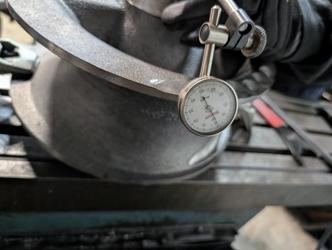
Municipal wastewater utilities operate under constant pressure to maintain critical infrastructure while balancing tight budgets and limited resources. When pumps fail at lift stations or treatment plants, prolonged downtime can trigger environmental risks, emergency bypass pumping costs, and public health concerns. This article examines how globalized manufacturing and lean just-in-time supply chains have created dangerous vulnerabilities for utilities that cannot afford to wait weeks for replacement parts or equipment. It explores how some manufacturers are responding with a hybrid approach that combines global production efficiencies with domestic inventory, localized machining, and advanced metallurgy capabilities. By maintaining U.S.-based stock and customization facilities, vendors can dramatically reduce lead times, adapt components to exact utility specifications, and improve equipment durability in abrasive wastewater environments. The article also highlights how responsive domestic support empowers utilities to shift from reactive crisis management to more proactive maintenance strategies. As wastewater systems face increasing operational demands, utilities may need to rethink whether the lowest upfront cost is worth the risk of six-week delays during critical failures.
Get unlimited access to:




Enter your credentials below to log in. Not yet a member of Water Online? Subscribe today.