
Rethinking Digital Transformation: Connecting Data, People, And Tools For Better Decisions
By Greta Vladeanu and Sepideh Yazdekhasti

Digital transformation is reshaping the water sector. Utilities have access to more data than ever before, from work orders to inspection data and real-time monitoring information. The reality is that more data and technology alone do not improve asset management outcomes. Utilities still face the fundamental challenge of balancing competing priorities with limited resources and information gaps.
Many organizations are now looking closer at the basics: how information is collected, connected, managed, and ultimately used to support everyday decisions.
Improving data quality and access to information helps utilities better understand how their systems behave today and over the long term. Done well, digital transformation means decisions become less dependent on assumptions and more grounded in operating, maintenance, and condition data over time.
The case studies in this article show how digital transformation is not simply about adopting the newest technologies and digital platforms. It is about improving how data, people, and tools work together to support informed and defensible asset management decisions.
Getting The Basics Right
Not every utility is trying to build a digital twin or implement artificial intelligence. Most are focused on more practical challenges, such as understanding what assets they have, closing data gaps, and making information easier to access and maintain. Building a solid foundation for digital transformation starts with creating a complete and reliable asset inventory, consistent data definitions, and practical processes to keep information accurate and up to date.
For many utilities, getting these basics right is where progress begins. They become less dependent on paper records, critical knowledge is less likely to be lost when experienced staff leave, and day-to-day planning becomes more consistent.
The City of Lacombe, Alberta, provides a clear example of the benefits and need for foundational work in early-stage digital transformation. In 2023, the city did not have a reliable asset registry for its water distribution system. Asset information existed across multiple systems, relevant attribute data (such as pipe material and diameter) was missing, and the city’s staff did not have a consistent foundation for planning and investment decisions.
Rather than starting with a new software platform, the city decided to focus on improving its asset data foundation by establishing GIS as the single source of truth for its water system. Through this effort, key missing asset attribute information was reduced from 93% to 13%. With a stronger GIS foundation in place, the city was then able to implement a risk-based model to better understand system vulnerabilities, prioritize additional data collection efforts, and identify data gaps that still needed to be addressed.
Today, the city continues to build on that foundation through systemwide pressure monitoring, leak detection, and valve exercising programs. For the city, the value did not come from implementing a new digital tool. It came from building a more complete understanding of the system and using that information to make better decisions, even while managing day-to-day operational demands and typical resource and budget constraints.
The Value Comes From Connecting Data, People, And Tools
Collecting more data is not the goal. The value comes from using that information to make better decisions. Many utilities already have a significant amount of information spread across GIS, work orders, inspections, monitoring programs, and spreadsheets, but it often remains disconnected from the questions decision makers need to answer.
Using monthly disinfection byproduct (DBP) data collected between 2013 and 2023, the City of Baltimore developed a predictive model to better understand future DBP trends. Rather than waiting for additional data, staff focused on leveraging the existing information. The model helped identify seasonal patterns and provided early indication of potential water quality concerns due to operational changes introduced as new water reservoirs were placed in service.
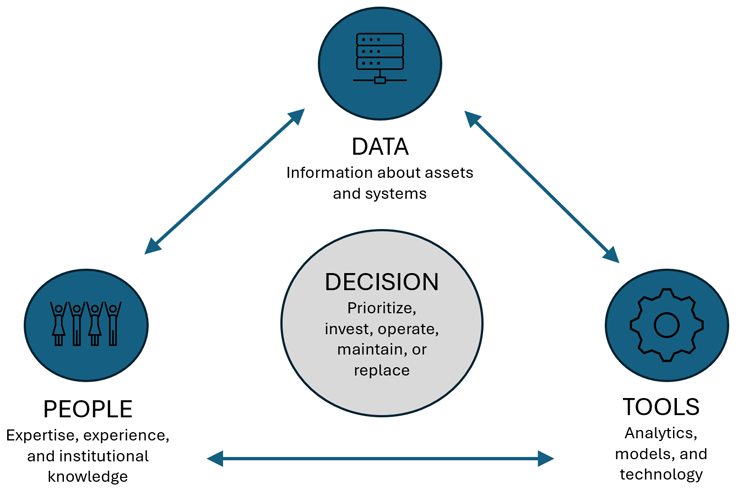
The interesting part of this example is not the predictive model itself. Water utilities have been collecting compliance data for decades. The value came from connecting that information to a specific operational question and using the results to inform action. This gave staff the opportunity to proactively evaluate operational adjustments before compliance concerns emerged.
This highlights an important lesson for utilities on their digital transformation journey. Data by itself has limited value. Information becomes valuable when it is connected to people who understand the system, tools that support analysis, and processes that translate insights into action. In other words, successful digital transformation is not defined by how much data a utility possesses, but by how effectively data, institutional knowledge, and technology work together to support better decisions.
Looking Ahead
The challenges faced by water utilities are not getting any easier. Aging infrastructure, workforce turnover, rising service level expectations, and increasing resilience requirements are all putting greater demands on asset management programs.
From an asset management perspective, digital transformation is not a one-time initiative or a final destination. Managing infrastructure is a continuous cycle of planning, monitoring, acting, learning, and improving. Over time, repeated inspections, operational insights, and monitoring programs build a clearer picture of system performance and risk. That growing system-specific understanding supports more confident decisions and better targeted investment.
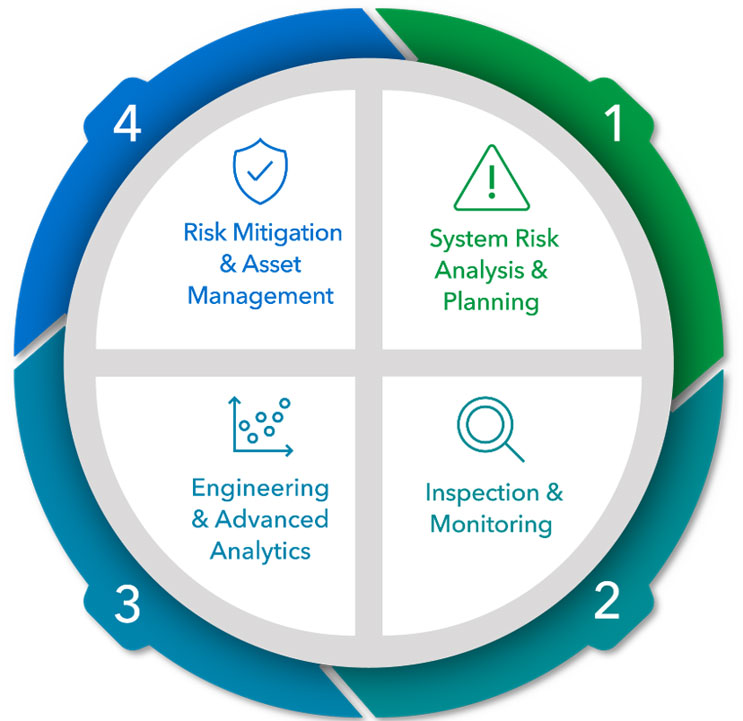
Over nearly a decade of working alongside utilities of different sizes and maturity levels, we have seen many successful programs follow a similar pattern. They usually start by identifying what assets they have, what information exists, and the most important data gaps. The next step is to use available information to evaluate system risks and priorities. That helps inform field data collection efforts to close the most critical knowledge gaps. As information improves, utilities can move from reactive responses to proactive actions, and the lessons learned help guide the next round of planning and investment.
Finally, organizational culture is often overlooked in discussions about digital transformation. Technology can support better decisions, but only when there are clear objectives, consistent processes, and a culture where knowledge is shared, documented, and used to support decision-making. Organizations that continue to rely mostly on reactive practices may struggle to keep up with future challenges. Ultimately, digital transformation is not about software, complex dashboards, or artificial intelligence. It is about building a stronger foundation for more informed, consistent, and defensible asset management decisions.
Greta Vladeanu is Senior Program Engineer of Network Data Insights at Xylem.
Sepideh Yazdekhasti is Senior Program Engineer of Asset Data Insights at Xylem.