
Q&A: Inside A Municipal Water Deal That Didn't Happen — And Why That Matters

By Kevin Westerling,
@KevinOnWater
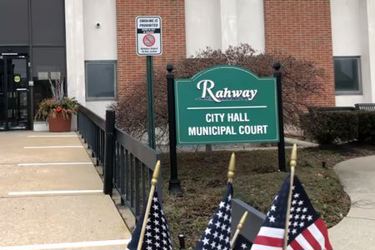
In March, the Rahway (NJ) Municipal Council voted to cancel its bid process for the potential sale of the city’s water utility — just weeks after unanimously approving a resolution to move forward. The abrupt reversal followed community opposition and reopened familiar questions about privatization, valuation, regulation, and public trust.
As more municipalities explore alternative ownership, financing, or partnership models to address aging water infrastructure, Rahway’s experience offers a useful case study in how quickly these processes can shift — and why.
To unpack what may have happened, what it means for other communities, and how municipal leaders should think about these decisions, I spoke with Tom Wyatt, a partner at Obermayer and chair of the firm’s Municipal Infrastructure & Services practice. Wyatt has led water and wastewater system sales and regulatory applications across Pennsylvania and previously worked with one of North America’s largest water utilities. (He’s also a fellow Philadelphia sports die-hard, but don’t hold that against us.)
A month prior to canceling the bid process, the Rahway Municipal Council voted unanimously to move forward with the sale. What changed?

Is this indicative of what other communities are considering — or reconsidering? What factors typically lead municipalities to halt a utility sale or bid process?
Most community leaders I work with look at the “total cost of residency” [TCOR] and appropriate governance. While water rates may go up after a sale to a regulated utility, barring a system in crisis, the TCOR would need to go down. Meaning, rates will go up 10%, but taxes, other fees, etc. go down such that the deal makes sense.
How do public pressure, valuation concerns, or regulatory hurdles impact these decisions?
They are fundamental to the decision typically. I have seen deals ended because the public objects for one or multiple reasons. Since the public elects the Council, their input is crucial. One very typical reason for the public to object in a material way is if water rates are projected to go up dramatically and there is not an understood corresponding benefit of the transaction. Rates and valuation concerns go hand in hand. If an offered purchase price isn’t sufficient to pay off the water debt, a transaction starts to not make sense. If sale proceeds are large but they also equate into a massive rate hike without a corresponding benefit to TCOR, again a deal stops making sense. Referendum and BPU [Board of Public Utilities] processes also need to be considered. Even if a deal makes sense to the electeds and mathematically, if voters are up in arms and a favorable vote looks doubtful, then the electeds need to assess/weigh that. Take a hard vote and run a good campaign? Retool and reevaluate? I don’t envy them — it is a hard job even when done well.
What does this mean for other towns in New Jersey and beyond that are exploring privatization or public-private partnerships?
While it is hard to say, New Jersey has had a number of recent water and sewer sales and seems to be a stable environment — in terms of regulation and good public utilities. I would caution against generalizing just yet.
What are the key legal and/or financial considerations municipalities should evaluate before moving forward with water utility transactions?
Maximum feasible public participation is the key. If the voters of a given municipality don’t want a transaction, that is how democracy works. Put another way, if a municipality halts or slows down any action it was considering because of public displeasure or increased scrutiny, that should not be viewed necessarily as a negative thing. It might just mean the system worked — the elected had the courage to step back from a move that stopped making sense or issues arose we didn’t properly consider?
Financials always come back to rates and not just the myopic observation — “hey, rates are going up.” The public needs to understand the tradeoff for selling a large asset that is fundamental to human health since you only have one system to sell. “The BPU will ensure safe service and just and reasonable rates; the sale proceeds will reduce our debt expense and lower taxes, the buyer promises to invest $X in our system and even if we project a X% rate increase trajectory over the next 10 years, the TCOR goes down.” Those are some ways to look at a good deal. There are also municipalities out there that simply cannot run the system anymore — dangerous non-compliance. Those places have fewer options and I don’t think applies to Rahway.
Rahway’s bid cancellation came after public pressure from community members and groups advocated against the privatization of the water system. What does the public, in general, get right or get wrong about privatization?
The public should expect maximum feasible public participation. I think it limits a community’s options for residents to take the view that private water companies are “all bad” because they make a profit. Or that governments are “all bad” because they are inefficient. I think that in order to keep our community water systems safe, it should be all hands on deck — municipals and for profits each have a lot to bring to the table. I would imagine most people with a 401(k) are invested in multiple utilities because they are highly regulated and are a necessity for a community to exist — and thus provide a steady, low-risk return usually. The hard work of residency is trying to understand the entire deal — short- and long-term. This is really hard since most people do not have the time to attend every public meeting in town.
In the end, we all want utilities that operate effectively and efficiently — that provide the best service possible to ratepayers. Public or private, what are the keys to fulfilling that mandate as economic and environmental challenges persist?
Agreed. A good number of communities do not know what the actual cost of service is for providing water and sewer service. Meaning, rate setting can be influenced by what “feels like too much of an increase” instead of taking a deep dive on what it will take to ensure the systems are reliable for years to come. If a private company comes in as owner the BPU will require customers pay cost of service, which means rate increases that would have been necessary for any owner get implemented by the private owner because they must do what the regulator says. Since municipalities can raise tax-exempt debt, they have a tax code advantage over private companies (that increases the WACC of a private but it is providing the same service as the muni). Expanding conduit financing for water/sewer companies and grant opportunities are practical way to attack a part of rising rates. Regional and state level cooperation irrespective of whether public or private would likely help, but doesn’t seem likely any time soon.