
Protecting Your Plant's Water Systems In Winter: The Role Of Smart Boilers And Leak Detection
By Simon Soloff
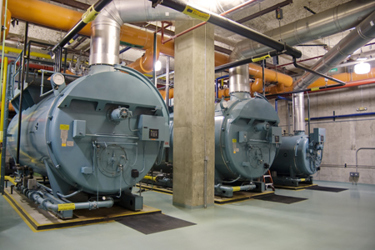
Winter in industrial facilities brings more than chilly temperatures; it presents real operational risks. Freezing conditions, sudden cold snaps, and icy environments can put severe stress on a plant’s water systems, boilers, and piping networks. Frozen or burst pipes, leaks, and unanticipated water damage aren’t just inconveniences; they can halt production, damage equipment, and lead to costly downtime.
Fortunately, modern technology now offers plant managers tools to proactively protect critical water systems. Advanced smart boiler systems combined with leak detection sensors provide a comprehensive approach to maintaining operational continuity and minimizing winter risks. Here’s how these systems help manufacturing facilities stay safe and efficient during these cold months.
Why Winter Poses Risks To Plant Water Systems
In industrial settings, cold weather is more than a comfort concern; it can threaten operational stability. Here is how:
Frozen Pipes and Expansion Damage
Water in pipes can freeze and expand, placing enormous pressure on steel, copper, or PVC piping. Even the most robust industrial plumbing is vulnerable. A burst pipe can flood production areas, damage machinery, and force unscheduled shutdowns, which all results in lost productivity and repair costs that quickly escalate.
Leaks and Water Damage
Older pipes or systems with insufficient insulation are more likely to develop leaks under freezing conditions. Small leaks may seem minor but can corrode equipment, weaken structural elements, and create mold or humidity problems in sensitive manufacturing areas. In addition, uneven heating in traditional boiler systems can waste energy and stress pipelines, which further increases leak risk.
What Is A Smart Boiler System For Industrial Facilities?
Smart boiler systems go beyond standard industrial boilers by integrating advanced monitoring, automation, and predictive analytics. Unlike conventional boilers, which operate on fixed schedules or manual controls, smart boilers continuously adapt to facility requirements.
Key Features For Manufacturing Plants
With smart boiler systems, facility managers can leverage remote monitoring to track boiler performance, water temperature, and pressure in real time from computers or mobile devices. This allows them to stay connected to operations even when offsite, ensuring that any irregularities are noticed immediately and addressed before they escalate.
Smart boilers also offer automated temperature regulation, which maintains optimal water flow and temperature throughout the system. This feature prevents freezing in pipelines during cold weather while ensuring that water is always ready for production processes. Ultimately, automated temperature regulation contributes to smoother and more efficient operations.
In addition, predictive alerts and diagnostics play a critical role in operational safety. The system continuously monitors for anomalies, such as sudden pressure drops or unusual temperature fluctuations, and sends immediate notifications to plant personnel. This proactive approach allows for rapid intervention and reduces the likelihood of equipment failure or production delays.
Many smart boilers can also integrate with leak detection systems. By working alongside moisture or water sensors, these systems can automatically shut down water flow in the event of a leak, which prevents flooding and minimizes potential damage to expensive equipment.
Altogether, these features empower plant managers to respond proactively to potential problems, thus reducing downtime and safeguarding both production processes and infrastructure. The combination of remote monitoring, automated regulation, predictive alerts, and leak integration transforms boiler management from a reactive task into a proactive, efficiency-driven strategy.
How Smart Boilers And Leak Detection Protect Plants
Smart boilers use real-time monitoring to constantly track system performance, water pressure, and temperature. If a pipe is at risk of freezing or a component is underperforming, alerts are triggered immediately. This allows maintenance teams to act before a shutdown occurs. Managers also receive instant notifications when issues arise. Many systems allow for remote adjustments, such as raising water temperatures or temporarily isolating sections of piping to prevent damage. This ensures problems are addressed before they escalate.
Smart boilers also offer preventive heating for vulnerable areas. Pipelines running through exterior walls, unheated storage areas, or basement zones can be maintained just above freezing, which helps prevent ice from forming. Smart boilers help ensure that water systems remain operational even under extreme conditions.
Finally, plant managers can integrate a smart boiler with water leak sensors. Water leak sensors placed throughout the facility will detect moisture or unexpected water accumulation. When a leak is identified, the system can automatically shut off water flow, protecting production lines, sensitive machinery, and building infrastructure.
Benefits Of Smart Water Systems In Winter
Implementing smart boiler and leak detection technology offers manufacturing plants a suite of operational benefits. One big advantage is the reduced risk of downtime, as plant managers can prevent frozen pipes, leaks, and unplanned shutdowns before they disrupt production. There are also lower maintenance and repair costs, because early detection reduces the need for emergency repairs and equipment replacements.
And let’s not forget the increased energy efficiency! Optimized water temperature and boiler operation reduce energy consumption, which helps lower utility costs. A smart boiler system will also enhance overall safety in the plant by protecting both personnel and machinery from water damage, flooding, or hazards associated with ice and leaks.
Practical Steps For Plant Managers
Even with smart systems, proactive measures are essential. It would be wise for plant managers to install water leak sensors strategically near high-risk areas such as boiler rooms, piping junctions, and exterior lines. Also, scheduling periodic inspections of boilers, pumps, valves, and piping will ensure optimal performance and software updates. Vulnerable pipes should also be insulated to supplement the protective effects of the smart boiler system.
Finally, plant managers can leverage a smart boiler’s remote monitoring and alerts to track water temperatures, respond to alerts, and manage adjustments from anywhere.
Real-World Examples
A Midwest manufacturing plant equipped with smart boilers and integrated leak sensors experienced a sudden Arctic blast. This caused the sensors to detect an abnormal drop in basement piping temperatures. Luckily, plant personnel received real-time alerts and remotely increased water flow to prevent freezing. The result: uninterrupted production and no need for costly pipe repairs. So overall, the small investment in a smart boiler system saved tens of thousands in downtime and damages.
Data from industrial facilities using smart leak detection show significantly fewer winter water damage incidents, which highlights the value of combining advanced technology with proactive maintenance.
Keep Your Plant Water Systems Safe Through Winter
Winter doesn’t have to bring frozen pipes, costly water damage, or unplanned downtime. Smart boiler systems paired with leak detection monitor water temperature, detect anomalies early, and allow for rapid intervention before problems escalate. By integrating these technologies into your plant operations, you can ensure safety, efficiency, and reliability throughout even the harshest winter conditions.
Simon Soloff is the President and co-founder of EnTech, a leading innovator in smart energy solutions for multifamily dwellings and other commercial buildings. Alongside his brother and co-founder, Eric, Simon identified critical inefficiencies in traditional energy monitoring systems, leading them to establish EnTech in 1999. Driven by their vision for real-time data accessibility, EnTech became a pioneer in internet-based energy management solutions. As a smart energy expert, Simon advises building managers on how to cut down on energy usage and optimize overall efficiency.