
Partnership Expands Access To Clean Water In Mexico
By Sean Donnelly
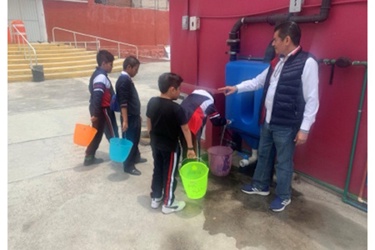
Virginia Tech and community partners in Mexico are expanding rainwater harvesting systems that strengthen local resilience and support Indigenous leadership.
In the mountains of southern Mexico, where communities have long relied on seasonal rains, Virginia Tech is working alongside local partners to strengthen access to clean water and support regional resilience.
Through the Executive Master of Natural Resources (XMNR) program, administered by the Center for Leadership in Global Sustainability in the College of Natural Resources and Environment, students work alongside nonprofits, technicians, and community leaders to install rainwater systems and study approaches rooted in environmental stewardship and local knowledge.
The university is collaborating with Isla Urbana, a nonprofit dedicated to rainwater harvesting, to partner with the Mazatec community in San José Tenango, Oaxaca. Through the Nanda Jtsi program, named for the Mazatec word for “rainwater,” families and schools install rooftop systems that store water from the rainy season for use throughout the year.
Across many regions of Mexico, rainwater harvesting is a well-established and culturally-grounded practice. In San José Tenango, seasonal droughts have lengthened in recent years, prompting communities to adapt with local ingenuity.
“Every year we face four months of drought: February, March, April, and May,” said community leader Maribel Gallardo Escobedo. “Now it sometimes starts in January and lasts until June. The droughts are very severe.”
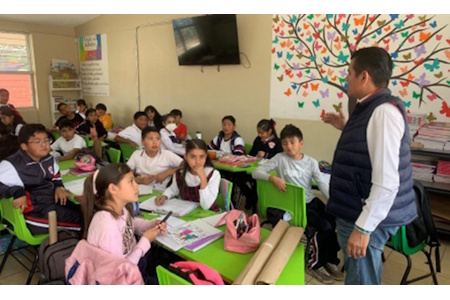
Since its launch in 2019, the Nanda Jtsi program has installed 108 rainwater systems in homes and 12 in public schools. Each installation includes training for residents so they can maintain the systems and manage water use over time.
“The impact has been very great,” Escobedo said. “Having water at home gives us certainty and allows us to focus on other activities to support our families.”
Virginia Tech’s collaboration with Isla Urbana also extends to Paraje Quiltepec, near Mexico City. There, XMNR students work with residents who have incorporated rainwater systems into daily life for drinking, cooking, hygiene, and small-scale agriculture.
“Not only do we have clean drinking water, but I also use the grey water to grow fruit trees,” resident Elena Cruz said. “The fruits we gather produce jams that we sell, which helped finance my children’s education.”
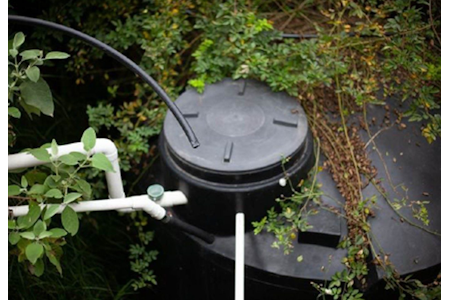
These systems reflect a community-centered approach: local cooperatives train technicians, residents build expertise, and solutions are shaped around cultural priorities and regional conditions. The model builds autonomy and strengthens long-term resilience.
Virginia Tech’s engagement in Mexico also connects with Isla Urbana’s Escuelas de Lluvia program, launched in 2018, which now supports more than 1,000 schools across 28 Mexican states and has expanded to pilot projects in Panama, Chile, and the Dominican Republic. Classrooms become places where students learn directly about sustainability and water stewardship.
“The idea is using the rain to empower communities,” program director Ana Paula Mejorada said. “We are turning adolescent children into changemakers.”
The work in Oaxaca will continue as communities expand rainwater systems and strengthen long-term maintenance efforts. For families who once dedicated hours each day to securing water, reliable access means more time for education, work, and more time to be engaged in communities.
Source: Virginia Tech