
Ozone Off-Gas: What It Reveals About System Efficiency, Safety, and Design
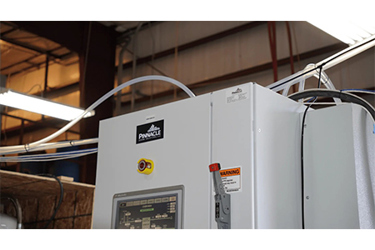
In ozone water treatment systems, attention is often focused on generator output, dissolved ozone levels, and oxidation performance. However, one critical factor is frequently overlooked: ozone off-gas. The ozone that does not dissolve into water or react with contaminants becomes off-gas, and understanding its behavior can provide valuable insight into overall system performance.
This article explores how ozone off-gas serves as more than just a waste stream requiring safe destruction. It acts as a diagnostic tool that reveals the effectiveness of mass transfer, contactor design, ozone dosing strategies, and process demand. High off-gas levels can indicate poor gas-liquid contact, inadequate mixing, excessive ozone dosing, low treatment demand, or other operational inefficiencies that increase energy consumption and operating costs.
The discussion examines the relationship between off-gas and mass transfer efficiency, the impact of contactor design on ozone utilization, and the role of pressure, contact time, and gas flow in achieving effective ozone dissolution. It also explains how concepts such as Henry’s Law influence ozone transfer and why increasing ozone generation alone does not guarantee improved treatment performance.
In addition, the article reviews ozone destruct technologies, moisture management considerations, and essential safety practices for handling ozone off-gas. Operators will learn how off-gas monitoring can help identify overfeeding, equipment issues, and changing process conditions before they affect treatment outcomes.
By treating off-gas as a key performance indicator rather than a byproduct, facilities can improve efficiency, reduce lifecycle costs, enhance safety, and maximize the value of their ozone treatment systems.
Get unlimited access to:




Enter your credentials below to log in. Not yet a member of Water Online? Subscribe today.