|
|
|
|
Increasingly intense storms are pushing clarifiers and storage systems beyond their limits. Advanced primary treatment with pile cloth media filtration removes solids in real time, unlocking additional capacity, improving effluent quality, and reducing energy consumption. By treating peak wet weather flows immediately rather than storing them, utilities can enhance resilience, lower compliance risk, and get more value from existing infrastructure.
|
|
|
|
|
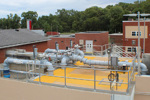
Discover how the City of Rushville avoided the cost and footprint of a new stormwater storage tank by partnering with Aqua-Aerobic Systems to pilot the AquaStorm® Cloth Media Filter. The innovative solution provided effective combined sewer overflow treatment in real time, helping the city meet wet weather demands, improve water quality, and reduce the need for expensive infrastructure investments.
|
|
|
|
|
As utilities face growing capacity pressures and more frequent extreme weather events, pile cloth media filtration is emerging as a versatile solution beyond tertiary treatment. From strengthening primary treatment to improving wet weather resilience, the technology helps maximize existing infrastructure, enhance treatment performance, and reduce the costs, energy demands, and footprint associated with traditional expansion projects.
|
|
|
|
|
Discover how the AquaStorm® Cloth Media Filter helps utilities tackle CSO and SSO challenges with a flexible, space-saving approach to wet weather treatment. This application note highlights how the technology delivers high-efficiency solids removal, enhances regulatory compliance, and provides a cost-effective alternative to traditional storage and treatment expansions.
|
|
|
|
|
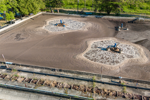
See how the City of Little Rock, Arkansas, strengthened its wastewater treatment capabilities with cloth media filtration. This video highlights how the city improved wet weather performance, expanded treatment capacity, and reduced operational challenges while maximizing the value of its existing infrastructure.
|
|
|