
2nd Generation ATAD System Improves Capacity While Producing Odor-Free Biosolids
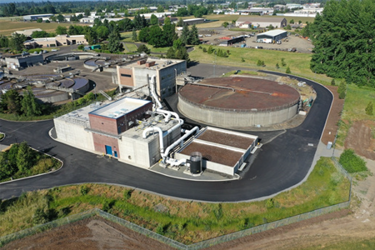
Maintaining Class A biosolids compliance while managing odors is a critical challenge for facilities in sensitive, high-tourism areas. For decades, traditional autothermal thermophilic aerobic digestion (ATAD) systems struggled with poor oxygen transfer and inconsistent heat, often requiring supplemental fuel like molasses to remain functional. Newer generations of this technology utilize patented jet aeration and continuous Oxidation Reduction Potential (ORP) monitoring to optimize oxygen supply and mixing.
This automated approach achieves a 60–65% volatile solids reduction and effectively handles seasonal tertiary sludge without supplemental heat, maintaining stable temperatures between 140°F and 150°F. By integrating a Storage Nitrification Denitrification Reactor (SNDR), facilities can transform ammonia into inert nitrogen gas and solubilize off-gas, significantly reducing the burden on biofilters. The result is a streamlined, odor-free operation that produces high-quality soil amendments for local agriculture.
Get unlimited access to:




Enter your credentials below to log in. Not yet a member of Water Online? Subscribe today.