
2nd Generation ATAD Provides High Quality Biosolids With Increased Capacity
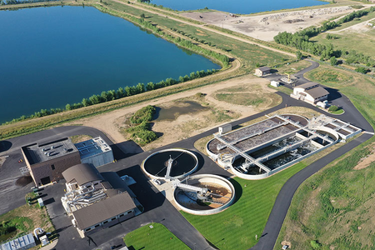
Wastewater treatment facilities across the Rocky Mountain region are facing significant challenges due to rapid population growth, leading to increased loading, higher disposal costs, and persistent odor issues. Transitioning to second-generation autothermal thermophilic aerobic digestion (ATAD) provides a scalable solution to increase capacity while ensuring compliance with strict EPA Class A biosolids regulations. By utilizing a high-rate digestion process and jet aeration, these systems achieve a 50-60% reduction in total solids through microbial degradation that generates its own heat.
Further treatment in a mesophilic reactor utilizes nitrification-denitrification cycles to break down ammonia, which improves dewatering efficiency and reduces chemical consumption. Integrated automation and continuous monitoring of parameters like ORP and pH allow for streamlined, reliable operations that can be retrofitted into existing tankage. These advancements transform waste into high-quality, nutrient-rich soil amendments suitable for agricultural use, effectively managing the environmental and community impacts of regional expansion.
Get unlimited access to:




Enter your credentials below to log in. Not yet a member of Water Online? Subscribe today.