
Mass Transfer Efficiency: The Most Important Metric In Ozone System Design
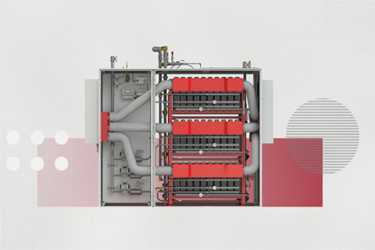
In ozone system design, production metrics like pounds per day or ozone concentration often take center stage—but they don’t tell the full story. True performance depends on how much ozone actually dissolves into the water, where it can react and deliver treatment results. This is defined by mass transfer efficiency (MTE), the percentage of generated ozone that successfully enters the liquid phase.
Low MTE means wasted ozone, higher energy consumption, oversized equipment, and inconsistent treatment outcomes. High MTE, on the other hand, allows systems to deliver more effective oxidation and disinfection with less energy and smaller infrastructure. The difference is significant: a system operating at 70% efficiency may require roughly 35% more ozone production to match the performance of one operating at 95%.
Several factors influence mass transfer, including bubble size, contact time, pressure, temperature, and ozone concentration. Pressurized sidestream systems, for example, can achieve efficiencies greater than 95% by optimizing these variables. Meanwhile, excessive ozone in off-gas streams is often a clear indicator of poor transfer and wasted resources.
Ultimately, designing an effective ozone system requires prioritizing mass transfer from the outset—not simply increasing generator capacity. By aligning system hydraulics, contactor design, and process goals, engineers can maximize dissolved ozone levels, improve CT performance, and reduce operational costs. In ozone treatment, performance isn’t about how much ozone is produced—it’s about how much is put to work.
Get unlimited access to:




Enter your credentials below to log in. Not yet a member of Water Online? Subscribe today.