
Independent Plant Tests Reinforce PAA's High Success Rate In Wastewater Treatment
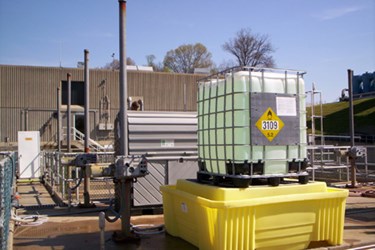
A wastewater treatment plant in Steubenville, Ohio, needed to find a wastewater disinfection method which did not generate chlorinated byproducts, and was also cost-effective. Solvay Chemicals, Inc. conducted independent plant scale trials using Proxitane® WW-12 peracetic acid (PAA), which were completed recently over a period of a little more than one month.
The plant was operating between 5-8 MGD with a capacity of 13.5 MGD. PAA dosage never exceeded 1.5 ppm, and the residual averaged .4ppm but not exceeding 1 ppm. PAA feed was flow paced, CBOD remained constant and pathogen control was always within the permit limits. The test was a complete success, underscoring the efficacy of PAA in wastewater treatment.
PAA is a more rapidly acting disinfectant than chlorine-based disinfectants, does not generate harmful DBPs even if overdosed, and can be economically retrofitted and/or work in series with an existing disinfection system. The EPA recently published its updated Fact Sheet on PAA, identifying it as an effective wastewater disinfection treatment, and offering a complete overview of its applications, byproducts and shipping data, as well as documented case studies and results.
SOLVAY CHEMICALS, INC. – Proxitane WW-12 Peracetic Acid
WEFTEC BOOTH #3150
Source: Solvay Chemicals, Inc.