
How To Design Stormwater Pump Stations For The Next 50 Years
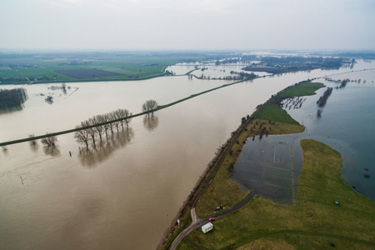
Stormwater infrastructure is being pushed beyond its original design limits as extreme weather events grow more frequent and intense. Systems once engineered around historical rainfall data must now contend with unpredictable surges, rising flood levels, and constrained urban environments. Designing pump stations for long-term resilience requires a shift in thinking—from meeting minimum regulatory standards to anticipating future extremes. Submersible pump technologies are emerging as a critical solution, ensuring continued operation even under full submersion, while eliminating vulnerabilities inherent in traditional dry pit designs. At the same time, compact station layouts and distributed system approaches are helping municipalities maximize capacity within limited space. Advances in computational fluid dynamics and digital twin modeling are further transforming design practices, allowing engineers to simulate real-world conditions, identify risks, and optimize performance before construction begins. With the addition of sensors and networked controls, stormwater systems are becoming more adaptive and responsive. Together, these innovations are redefining how communities prepare for and withstand the next generation of storm events.
Get unlimited access to:




Enter your credentials below to log in. Not yet a member of Water Online? Subscribe today.