
How Municipalities Can Modernize Aging Wastewater Infrastructure Without Disrupting Service
By Joseph M. Heaney, III
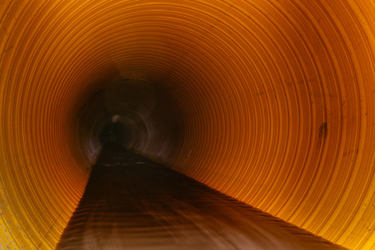
Municipal wastewater systems age under constant pressure, yet communities still need and expect reliable service every hour of the day. With careful planning, phased work, trenchless methods, smart monitoring, and stronger asset management, municipalities can upgrade critical infrastructure while keeping homes, businesses, and public facilities running safely, efficiently, and predictably throughout the process.
Maintaining Service Continuity Through Modernization
The key here is to treat service continuity as an engineering requirement from the first planning meeting, alongside capacity, compliance, and safety. Aging mains, lift stations, manholes, controls, and laterals rarely fail in tidy sequence, so municipalities need a practical program that ranks assets by condition, consequence of failure, hydraulic role, and access limits.
Phased Construction
Phasing upgrades allow a municipality to isolate small portions of the system, complete work during lower-flow windows, and keep bypass pumping requirements manageable. Crews can move basin by basin or interceptor by interceptor, depending on where risk and operational pressure are highest. This sequencing also helps procurement staff, since equipment lead times, easement access, traffic control, and permit conditions can be coordinated well before construction begins.
Trenchless Methods Reduce Surface Disruption
Trenchless rehabilitation is often one of the strongest tools for upgrading collection systems without creating large surface impacts. Cured-in-place pipe, slip lining, pipe bursting, and formed liners can correct many defects while limiting excavation, pavement removal, tree impacts, traffic detours, and restoration work. Each method still requires careful selection. Pipe size, depth, offset joints, roots, infiltration, soil type, lateral count, and flow diversion all affect suitability.
A useful example here would be cured-in-place pipe in a residential collector with cracks and root intrusion. The liner can be inserted through existing access points, cured inside the host pipe, and reopened after laterals are reinstated. Flow may still need bypassing, and curing schedules must be respected. Compared with open-cut replacement across a busy neighborhood, the service impact can be noticeably smaller and easier to communicate.
Lift Stations Need Smarter Controls
Modernization often becomes more effective when buried pipe work is paired with lift station upgrades. Many older stations still run with limited diagnostics, simple level-based pump sequencing, and alarms that tell staff a problem exists only after operating conditions have worsened. Modern controls, variable-speed pumping, improved instrumentation, and remote monitoring allow operators to see wet-well levels, pump run time, starts, torque, current, alarms, and performance trends much more consistently.
That visibility can be remarkably useful. Excessive starts may show an inflow issue. Rising torque may point to ragging or a developing clog. Long run times may suggest reduced pump efficiency, a valve issue, or changing upstream flow. With better data, staff can schedule maintenance earlier, reduce emergency callouts, and protect service reliability.
Prioritizing Data With Asset Management
Proactive asset management helps municipalities decide which projects should move first, which can wait, and which should be bundled for better construction value. Age alone is a weak sorting tool. A newer pipe under a critical road crossing may deserve earlier attention than an older pipe with low consequence of failure, especially when condition data shows structural defects or high infiltration.
Good prioritization blends field inspection, maintenance history, hydraulic modeling, overflow history, energy use, customer impact, regulatory exposure, and cost. It also creates a record that elected officials and finance teams can understand. That record helps when rate planning, grant applications, or bond packages require clear explanations about why one project has moved ahead of another.
The Overlooked Input Is What Enters The System
One slightly unexpected angle is the connection between wastewater modernization and upstream waste behavior. Wipes, rags, grease, grit, and debris can shorten pump life, increase cleaning frequency, and distort capital planning if they aren’t addressed alongside mechanical and pipe upgrades. Coordination with public works staff, pretreatment teams, haulers, and solid waste consulting specialists can give municipalities a fuller view of what’s entering the system and why.
That doesn’t require a grandiose campaign. It can start with pump clog logs, grease hotspot mapping, maintenance notes, and targeted outreach to large contributors. Small operational clues can become surprisingly valuable.
Modernization As An Ongoing Process
In order to modernize aging wastewater infrastructure, municipalities need condition data, phased construction, trenchless options where suitable, smarter lift station controls, and a capital plan that can adapt as new information arrives. The work is complex, and funding constraints are real, but the path forward is positive. With careful sequencing and consistently updated priorities, communities can improve reliability, extend asset life, reduce emergency work, and keep wastewater service dependable while upgrades are underway.
Joseph M. Heaney, III, PE, is a principal at Walden Environmental Engineering, a firm providing environmental and engineering consulting services across multiple industries. With more than 30 years of experience, he provides strategic direction for the company's technical operations and oversees complex engineering projects. Heaney is known for delivering practical, decisive solutions to challenging environmental and engineering issues and is a licensed professional engineer in New York, New Jersey, Connecticut, and Pennsylvania.