
From 400 Km Of Priority Pipe To 55 Km: An 86% Sharper Renewal List
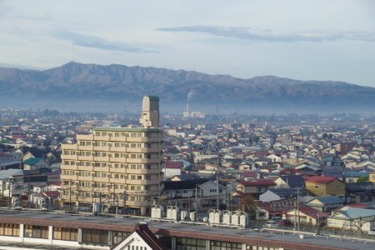
Renewal planning that leans on installation year and physical condition scores tends to produce long lists. In Aizuwakamatsu City, Fukushima Prefecture, the national JWWA guideline method flagged half the network, 400 km of pipe, as renewal targets. A list that size is a planning problem before it is an engineering one, because no capital program can work through it.
The city's waterworks took a different route, building its own priority matrix and assessing the full network within a single fiscal year. Revenue water had been sliding. The trend reversed.
Five fiscal years of the city's own data on leak detections, revenue water, and renewal progress set the two prioritization approaches side by side. The same ranking also changed where acoustic leak surveys were directed, replacing uniform citywide surveys. For utility professionals weighing how to spend limited renewal budgets, the figures come from an operating system rather than a model. Get the case study to see how the two lists compare.
Get unlimited access to:


Enter your credentials below to log in. Not yet a member of Water Online? Subscribe today.