
From Innovation To Proven Impact: How Flygt Concertor Is Redefining Wastewater Pumping With Results That Speak For Themselves
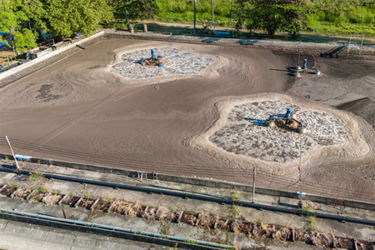
Wastewater utilities have traditionally had to contend with pump clogging, intensive maintenance requirements, and limited flexibility when operating conventional pumping systems. Nearly a decade after the introduction of Flygt Concertor, which brought integrated intelligence to submersible pumping, field installations provide an opportunity to evaluate the technology against real-world operating experience. This article examines how utilities have adopted the platform and what their results reveal about its potential operational benefits.
One case study focuses on a special service district in the Mountain West responsible for more than 100 lift stations. Following implementation, replacement lead times reportedly decreased from several months to less than a week. The district subsequently proposed standardizing eight additional stations on the same platform. The article presents performance figures covering energy consumption, maintenance, inventory requirements, and vacuum truck interventions, while clearly defining the applicable pump size range of up to 18 hp. It also distinguishes between benefits delivered by the pump itself and those that depend on the controls used alongside it, providing important context for interpreting the results. By combining installation experience with operational data, the article offers utilities a practical basis for assessing the technology's potential relevance to their own systems. Read the full article to examine the evidence, understand the scope of the reported improvements, and consider what the findings could mean for wastewater pumping operations.
Get unlimited access to:


Enter your credentials below to log in. Not yet a member of Water Online? Subscribe today.